

Introduction
If someone asks, “What is the capital of France?” the simple answer is Paris. However, Paris is much more than just the administrative capital of the country. It is one of the most famous cities in the world, known for its rich history, iconic landmarks, world-class culture, and significant influence on art, fashion, and business.
For centuries, Paris has played a central role in shaping France’s political, economic, and cultural identity. Millions of tourists visit the city every year to experience its beauty, explore its historic monuments, and enjoy its unique atmosphere. From the stunning Eiffel Tower to the charming streets lined with cafés, Paris represents the heart and soul of France.
Understanding why Paris became the capital of France and what makes it so important provides a deeper appreciation of both the city and the nation. In this article, we will explore the history, significance, attractions, culture, and global influence of Paris.
Paris: The Capital City of France

Paris is the official capital city of France and serves What Is the Capital of France as the country’s political, cultural, and economic center. Located in the north-central part of France, the city is situated along the Seine River, which has played a vital role in its development throughout history.
The city is home to important government institutions, including the residence of the French President, known as the Élysée Palace, and various ministries and administrative offices. Decisions affecting the entire nation are often made in Paris, making it the political heart of France.
In addition to its political significance, Paris is also a major financial hub. Numerous multinational corporations, banks, and organizations have their headquarters in the city. What Is the Capital of France This combination of political and economic importance has helped Paris maintain its status as the capital for centuries.
The Historical Background of Paris
The history of Paris dates back more than 2,000 years. Originally, the area was inhabited by a Celtic tribe known as the Parisii, from whom the city derives its name. The Romans later conquered the region and established a settlement called Lutetia.
Over time, Paris grew into an important commercial and cultural center. During the Middle Ages, it became one of Europe’s leading cities due to its strategic location and growing What Is the Capital of France population. The establishment of educational institutions such as the University of Paris further strengthened its influence.
Throughout French history, Paris has witnessed numerous significant events, including royal coronations, revolutions, wars, and political transformations. The city played a central role during the French Revolution and continues to symbolize French identity and resilience.
Why Paris Became the Capital of France
Paris became the capital largely because of its What Is the Capital of France advantageous geographic location. Positioned along major trade routes and the Seine River, it was an ideal location for commerce, communication, and defense.
French kings gradually consolidated their power in Paris, transforming it into the political center of the kingdom. As royal authority expanded, the city’s importance increased, attracting merchants, scholars, artists, and craftsmen from across Europe.
The city’s growth in population, economic activity, and cultural influence reinforced its position as the nation’s capital. Over the centuries, Paris remained the focal point of governance and administration, ensuring its continued status as France’s capital city.
Famous Landmarks in Paris
One of the reasons Paris is recognized worldwide is its collection of famous landmarks. These attractions draw millions of visitors each year and contribute to the city’s global reputation.
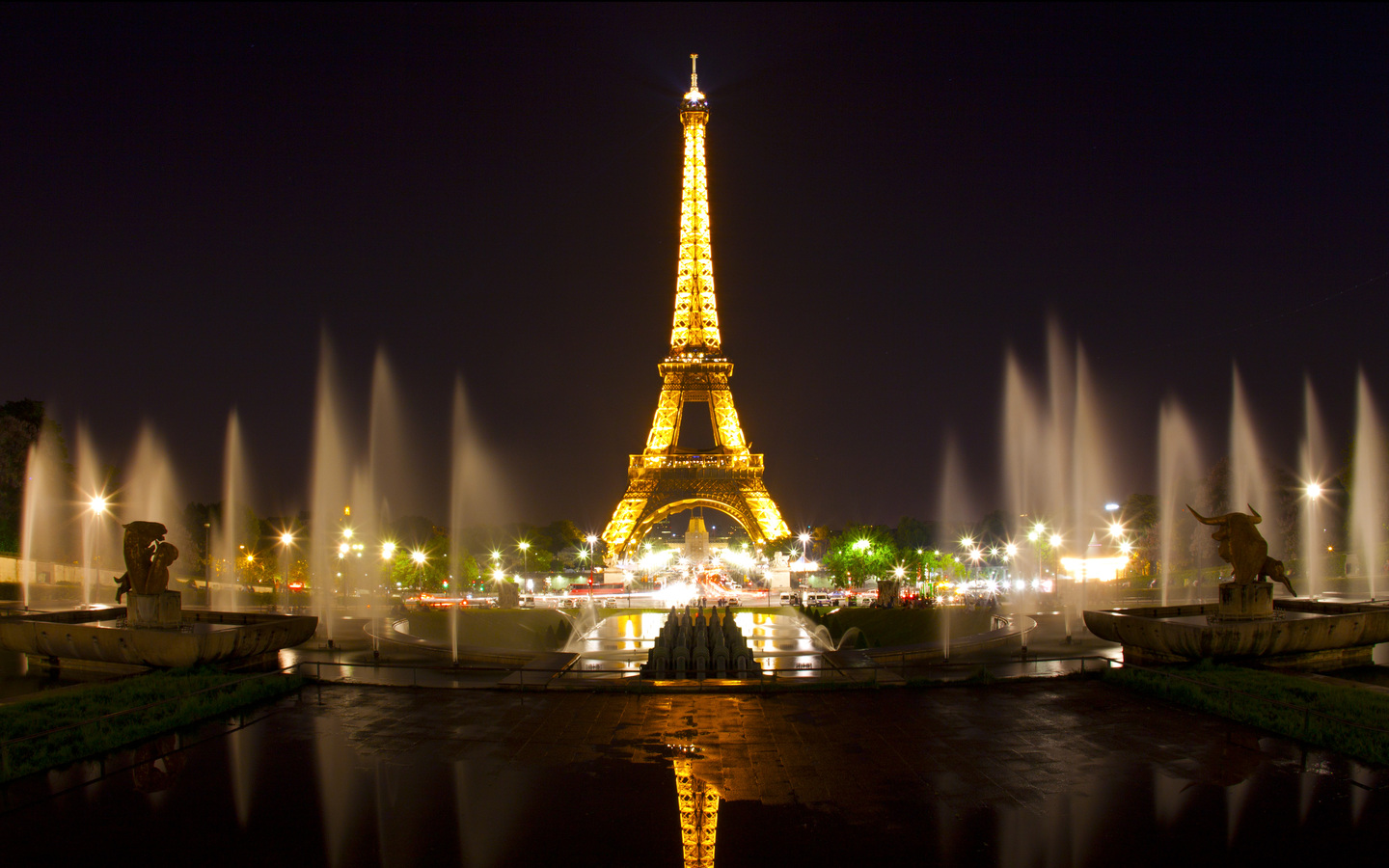
The Eiffel Tower is perhaps the most iconic symbol of Paris. Constructed for the 1889 World’s Fair, it has become one of the most recognizable structures on Earth. Visitors can What Is the Capital of France enjoy breathtaking views of the city from its observation decks.
Another renowned landmark is the Louvre Museum, which houses thousands of artworks, including the famous Mona Lisa. The museum’s extensive collection reflects centuries of artistic achievement and cultural heritage.
The Notre-Dame Cathedral, despite undergoing restoration efforts, remains an important symbol of French history and architecture. Other notable attractions include the Arc de Triomphe, Sacré-Cœur Basilica, and the Champs-Élysées.
Paris as a Cultural Capital
Paris is often referred to as the cultural capital of the world. Its influence on art, literature, music, and philosophy has been profound throughout history.
Many celebrated artists, including painters, writers, and musicians, found inspiration in Paris. The city’s museums, galleries, and theaters continue to showcase artistic excellence and What Is the Capital of France creativity. Visitors can experience everything from classical masterpieces to contemporary art exhibitions.
The literary heritage of Paris is equally impressive. Famous authors and intellectuals spent time in the city’s cafés and salons, contributing to important cultural and philosophical movements that shaped modern thought.
Today, Paris remains a center for cultural innovation, attracting creative individuals from around the globe who seek inspiration and opportunities within its vibrant artistic community.
Paris and the Fashion Industry
Paris is widely regarded as one of the fashion capitals of the world. What Is the Capital of France The city has long been associated with elegance, luxury, and cutting-edge design.
Many prestigious fashion houses originated in Paris and continue to dominate the global fashion industry. Designers showcase their latest collections during Paris Fashion Week, an event that attracts international media, celebrities, and industry professionals.
The city’s influence extends beyond clothing. Paris sets trends in beauty, accessories, luxury goods, and lifestyle products. Its reputation for sophistication continues to inspire fashion enthusiasts worldwide.
For visitors, shopping in Paris can be an unforgettable experience, What Is the Capital of France whether browsing luxury boutiques or exploring charming local markets.
The Economy and Business Importance of Paris
Paris plays a crucial role in the French economy. As one of Europe’s leading business centers, the city contributes significantly to national economic growth.
Many international companies maintain offices in Paris due to its strategic location and access to skilled professionals. Industries such as finance, technology, tourism, media, and What Is the Capital of France manufacturing thrive within the metropolitan area.
Tourism itself represents a major economic driver. Millions of visitors spend money on accommodations, dining, transportation, and entertainment, generating substantial revenue for local businesses.
The city’s strong infrastructure, transportation networks, and educational institutions further support its economic success and international competitiveness.
Tourism in Paris
Tourism is one of the defining characteristics of Paris. Travelers from every corner of the world visit the city to experience its unique blend of history, culture, and romance.
Many tourists begin their journey by visiting famous attractions such as the Eiffel Tower, Louvre Museum, and Seine River. Walking through historic neighborhoods allows visitors What Is the Capital of France to experience the authentic atmosphere that makes Paris so special.
The city’s culinary scene is another major attraction. Traditional French cuisine, charming bakeries, and elegant restaurants provide unforgettable dining experiences. Sampling local specialties often becomes one of the highlights of a trip.
Paris also offers beautiful parks, shopping districts, museums, and cultural events that cater to a wide range of interests, ensuring there is something for every traveler.
Interesting Facts About Paris
Paris has many fascinating facts that contribute to its global appeal. What Is the Capital of France The city is often called the “City of Light,” a nickname that reflects both its early adoption of street lighting and its role during the Age of Enlightenment.
The Eiffel Tower was originally intended to be a temporary structure, yet it became one of the world’s most beloved landmarks. Today, it attracts millions of visitors annually.
Paris is home to hundreds of museums and numerous historical What Is the Capital of France monuments. Its extensive public transportation system makes it easy for residents and tourists to explore different parts of the city.
The city also has a reputation for romance, earning its place as one of the most popular destinations for couples, honeymooners, and travelers seeking memorable experiences.
Conclusion
The answer to the question “What is the capital of France?” is Paris, but the significance of the city extends far beyond its role as a capital. Paris is a symbol of French culture, history, creativity, and innovation. Its influence can be seen in art, fashion, literature, politics, and global tourism.
From its ancient origins to its modern status as an international metropolis, What Is the Capital of France Paris continues to captivate people around the world. The city’s remarkable landmarks, cultural institutions, thriving economy, and unique atmosphere make it one of the most important and admired cities on the planet.
Whether you are interested in history, architecture, cuisine, or culture, Paris offers countless reasons to explore and appreciate everything it has to offer. It truly stands as the heart of France and one of the world’s greatest cities.
The history of Paris dates back more than 2,000 years. Originally, the area was inhabited by a Celtic tribe known as the Parisii, from whom the city derives its name. The Romans later conquered the region and established a settlement called Lutetia.
Over time, Paris grew into an important commercial and cultural center. During the Middle Ages, it became one of Europe’s leading cities due to its strategic location and growing What Is the Capital of France population. The establishment of educational institutions such as the University of Paris further strengthened its influence.
Throughout French history, Paris has witnessed numerous significant events, including royal coronations, revolutions, wars, and political transformations. The city played a central role during the French Revolution and continues to symbolize French identity and resilience.