

Introduction
A portable washing machine has become one of the most practical home appliances for people who want a convenient and affordable way to do laundry without relying on traditional full-sized washing machines. Whether you live in a small apartment, a dorm room, an RV, or simply want a secondary washer for delicate clothes, these compact machines offer an impressive balance of performance and portability. Over the years, manufacturers have significantly improved their designs, making portable washers more efficient, quieter, and easier to use than ever before.
Many people assume that a portable washing machine cannot clean clothes as effectively as a standard washer. However, modern models are equipped with powerful motors, multiple wash programs, and surprisingly large capacities considering their compact size. They are designed to save water, electricity, and space while still delivering excellent cleaning performance. This makes them an attractive option for students, travelers, renters, and even homeowners looking for an extra washing solution.
As energy costs continue to rise and living spaces become smaller, portable appliances are growing in popularity. A portable washing machine fits perfectly into this trend because it combines convenience with efficiency. Instead of spending hours at a laundromat or investing in expensive laundry services, users can wash clothes whenever they want from the comfort of their own space. In this guide, you’ll learn everything you need to know about portable washing machines, including how they work, their advantages, different types, and why they may be the perfect investment for your lifestyle.
What Is a Portable Washing Machine?
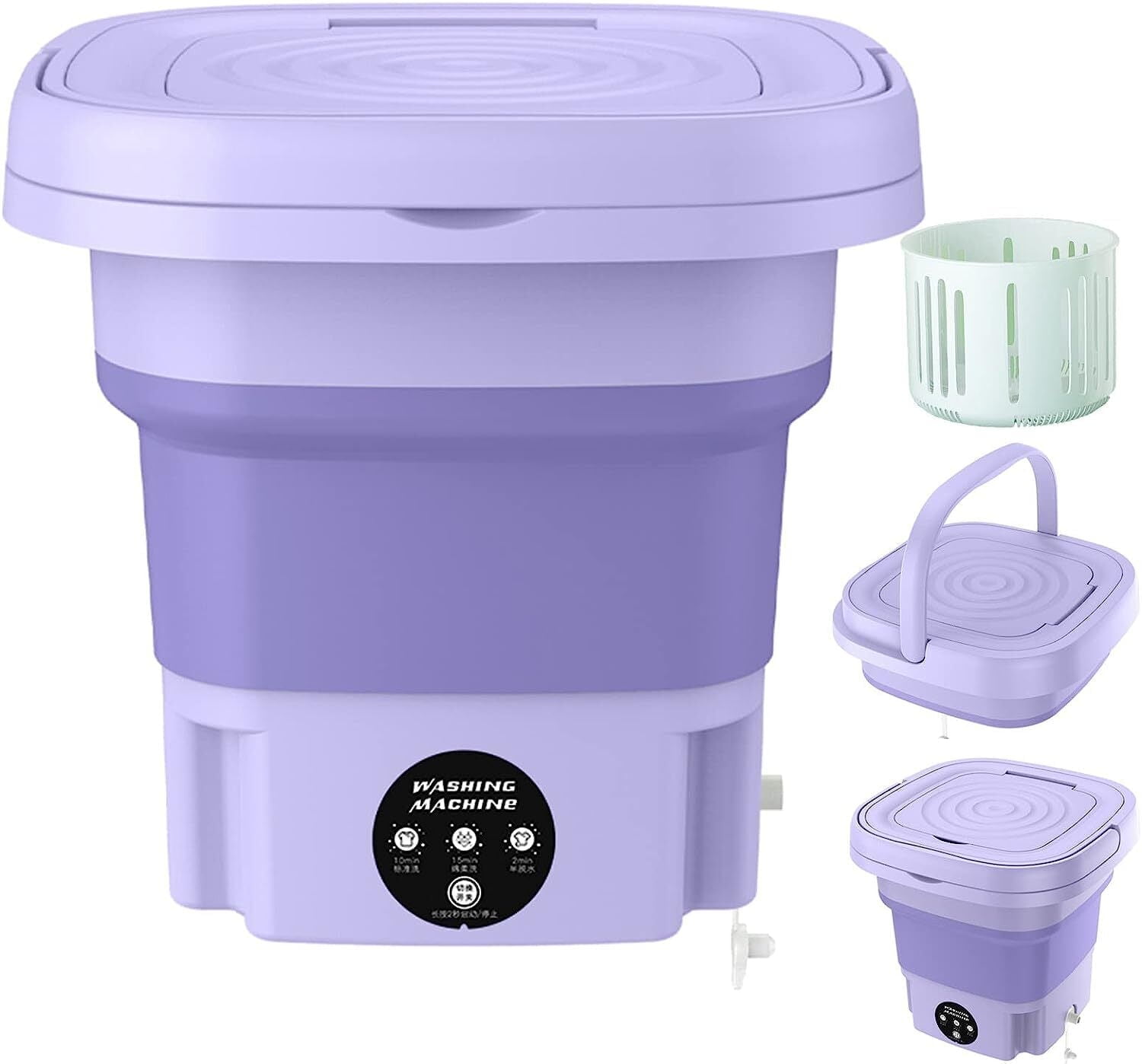
A Portable Washing Machine is a compact laundry appliance designed for people who have limited space or need a washer that can easily be moved from one location to another. Unlike traditional washing machines that require permanent plumbing and installation, portable models usually connect temporarily to a sink faucet or operate using manually filled water tanks. This flexibility allows users to store the machine away when it is not in use, making it an ideal solution for apartments, dormitories, cabins, RVs, and vacation homes.
These machines come in various sizes and capacities, ranging from small units capable of washing a few shirts to larger portable models that can comfortably handle several pounds of clothing in one load. Despite their compact dimensions, many portable washing machines include advanced features such as multiple wash cycles, spin-drying functions, automatic water level adjustments, and digital control panels. These features make them surprisingly capable for everyday laundry tasks.
Another major benefit is their affordability. Compared to full-sized washers, portable washing machines typically cost much less while consuming fewer resources. Their lower water and electricity usage also helps reduce monthly utility bills, making them a smart long-term investment for budget-conscious households. Whether you’re washing baby clothes, workout gear, towels, or everyday garments, these machines provide a convenient alternative without sacrificing cleaning quality.
How Does a Portable Washing Machine Work?
A portable washing machine operates using the same basic principles as a standard washing machine but in a much smaller and more compact format. After loading your clothes into the drum, you add detergent, connect the water supply if required, and select your preferred wash cycle. The machine fills with water, agitates the clothes to remove dirt and stains, drains the dirty water, and finally spins the garments to remove excess moisture before drying.
Automatic portable washing machines simplify the process by handling each stage with minimal user involvement. Once the cycle begins, the machine automatically fills, washes, rinses, drains, and spins the clothes without requiring constant supervision. This makes them especially convenient for busy individuals who want the benefits of a regular washing machine without needing a permanent installation.
Semi-automatic models require a little more participation from the user. Typically, you’ll transfer clothes from the washing tub to the spin tub after the wash cycle is complete. While this adds an extra step, semi-automatic machines are often more affordable, consume less electricity, and allow greater control over water usage. Many users actually appreciate this flexibility because it helps them customize each load according to the type of clothing being washed.
The compact motor inside a portable washing machine creates enough movement to loosen dirt, oils, and stains from fabric fibers. Modern designs optimize water circulation so clothes receive a thorough cleaning while using significantly less water than conventional machines. This efficiency makes portable washers both environmentally friendly and economical for daily use.
Types of Portable Washing Machines
Portable washing machines come in several different styles, each designed to meet specific needs and budgets. Understanding the differences can help you choose the model that best suits your lifestyle and laundry habits.
Fully Automatic Portable Washing Machines
Fully automatic portable washing machines provide the greatest convenience. Users simply load their clothes, add detergent, choose a cycle, and let the machine handle the rest. Washing, rinsing, draining, and spinning are completed automatically, making these models ideal for busy households. They generally include digital controls, multiple wash settings, delay timers, and child safety features that enhance the overall user experience.
Although fully automatic units are more expensive than other portable options, they save considerable time and effort. Their advanced technology also improves washing performance while minimizing water waste. Many modern models are surprisingly quiet, allowing them to operate comfortably even in apartments with shared walls.
Semi-Automatic Portable Washing Machines
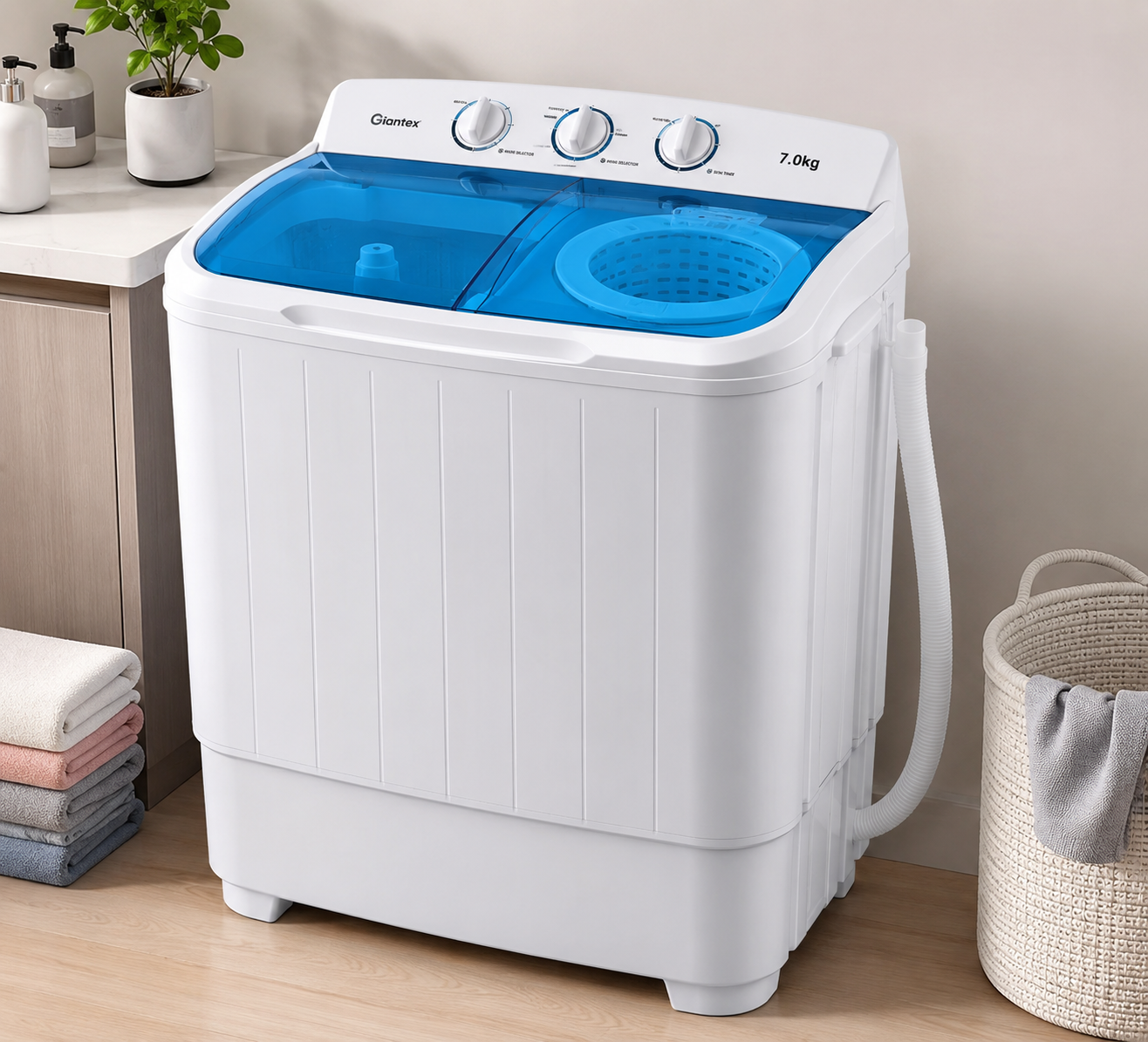
Semi-automatic portable washing machines feature separate wash and spin compartments. After washing, clothes must be manually transferred into the spin tub for drying. While this process requires slightly more effort, these machines remain highly popular because of their affordability, durability, and efficient water usage.
People living in areas where water availability is limited often prefer semi-automatic machines because they allow better control over water consumption. They’re also relatively simple to repair due to their straightforward mechanical design, making them an excellent long-term investment.
Manual Portable Washing Machines
Manual portable washing machines require no electricity at all. Instead, users rotate a crank, pedal, or handle to agitate the clothes. These lightweight units are especially popular among campers, travelers, boat owners, and people living off-grid. Although they are not suitable for large families, they provide an effective solution for washing small loads while conserving energy.
Manual washers are also environmentally friendly because they rely entirely on human effort. Their compact size makes them easy to carry and store, making them perfect companions for outdoor adventures and emergency situations.
Foldable Portable Washing Machines
One of the newest innovations in compact laundry appliances is the foldable portable washing machine. Made from flexible materials, these machines collapse into a flat shape after use, making storage incredibly simple. They are particularly useful for washing baby clothes, underwear, socks, lightweight garments, and travel clothing.
While foldable models cannot replace a full-sized washing machine for heavy laundry, they are excellent for people who prioritize portability above everything else. Their lightweight construction makes them easy to transport during vacations, business trips, or camping excursions.
Benefits of Owning a Portable Washing Machine
One of the biggest advantages of owning a portable washing machine is the incredible amount of space it saves. Traditional washing machines require dedicated laundry rooms or large utility areas, while portable models can fit comfortably inside closets, bathrooms, kitchens, or storage cabinets. This flexibility makes them ideal for people living in apartments or smaller homes where every square foot matters.
Another significant benefit is lower operating costs. Portable washing machines use less water and electricity than conventional washers, resulting in noticeable savings on monthly utility bills. Their smaller drum size also encourages users to wash only what they need instead of waiting for large loads, which further reduces resource consumption over time.
Convenience is another reason why these appliances have become so popular. Instead of carrying heavy laundry bags to a laundromat or waiting for shared laundry facilities to become available, users can wash clothes whenever they choose. This level of independence is particularly valuable for students, busy professionals, parents with young children, and anyone with an unpredictable schedule.
Portable washing machines are also surprisingly versatile. They work well for washing everyday clothing, delicate fabrics, workout apparel, baby clothes, towels, and even pet bedding. Many users purchase one as a secondary washer specifically for small or delicate loads, helping extend the lifespan of their primary washing machine while improving overall laundry efficiency.
Finally, portable washing machines contribute to a more sustainable lifestyle. Their reduced water consumption, lower electricity requirements, and efficient cleaning performance make them an environmentally responsible choice. As more households look for ways to reduce their environmental footprint without sacrificing convenience, portable washers continue to grow in popPortable Washing Machine Buying Guide
Choosing the right portable washing machine is easier when you understand your own laundry habits and available space. The first thing to consider is the machine’s capacity. If you live alone or only need to wash a few clothes every couple of days, a compact model with a smaller drum will usually be enough. On the other hand, couples or small families should look for a larger-capacity portable washer that can handle towels, jeans, and multiple outfits in one cycle. Buying the correct size ensures you won’t have to run unnecessary loads, saving both time and energy.
The next factor is whether you prefer a fully automatic or semi-automatic model. Fully automatic portable washing machines are perfect for people who value convenience because they perform every stage of the washing process without requiring manual intervention. Semi-automatic models are generally more affordable and allow better control over water usage, making them an excellent option for people living in areas where water conservation is important. Think about your daily routine and choose the type that matches your lifestyle rather than simply selecting the cheapest option.
Budget also plays a major role when shopping for a portable washing machine. While it can be tempting to purchase the least expensive model, spending a little more often provides better durability, stronger motors, quieter operation, and additional washing programs. A quality machine may cost more initially, but it usually lasts longer and performs more efficiently, making it a better long-term investment. Reading customer reviews and comparing warranty periods can also help you identify reliable products that deliver consistent performance.
Features to Look for in a Portable Washing Machine
One of the most important features is washing capacity. Portable washing machines come in various sizes, and choosing the right one depends on how much laundry you typically wash each week. A larger drum reduces the number of loads you need to complete, while a smaller model is easier to move and store. Finding the right balance between portability and capacity will improve your overall laundry experience.
Wash programs are another feature worth considering. Many modern portable washing machines include multiple settings for delicate fabrics, quick washes, heavy-duty cleaning, baby clothes, and energy-saving cycles. Having several wash options allows you to care for different types of clothing more effectively while extending the life of your garments. Adjustable water levels and spin speeds also add flexibility, helping you customize each load according to your needs.
Noise level should not be overlooked, especially if you live in an apartment or shared accommodation. Quiet motors make it possible to wash clothes during the evening or early morning without disturbing family members or neighbors. Some premium portable washing machines also include vibration reduction technology that keeps the machine stable during the spin cycle, resulting in smoother and quieter operation.
Energy efficiency is another valuable feature. Machines designed to consume less electricity and water can significantly reduce utility bills over time. Many energy-efficient models deliver excellent cleaning performance while using fewer resources, making them an environmentally friendly choice for modern households.
Pros and Cons of a Portable Washing Machine
Like any household appliance, a portable washing machine has both advantages and disadvantages. Understanding both sides helps you make an informed purchasing decision rather than buying based solely on advertisements or marketing claims.
One of the biggest advantages is portability. Unlike traditional washing machines, portable models can easily be moved from one room to another and stored away when not in use. This flexibility makes them perfect for renters, students, travelers, and anyone living in compact spaces. They also require minimal installation, allowing users to start washing clothes almost immediately after purchase.
Another major benefit is affordability. Portable washing machines usually cost considerably less than standard washers while consuming less water and electricity. Their lower operating costs make them an economical choice for people who want to reduce household expenses without sacrificing convenience. Many users recover part of their investment through reduced laundromat visits and lower utility bills within a relatively short period.
Despite these benefits, portable washing machines do have some limitations. Their smaller capacity means they are not ideal for washing bulky comforters, large blankets, or heavy family-sized laundry loads. Depending on the model, users may also need to connect the machine to a sink or manually fill it with water before each cycle. However, for individuals and small households, these minor inconveniences are often outweighed by the many practical advantages they provide.
Who Should Buy a Portable Washing Machine?
A portable washing machine is an excellent choice for apartment dwellers who do not have access to built-in laundry facilities. Instead of carrying clothes to a shared laundry room or local laundromat, residents can wash their clothes conveniently at home whenever they choose. This saves both time and money while offering greater flexibility for busy schedules.
College students also benefit greatly from portable washing machines. Dormitory laundry rooms are often crowded, expensive, and available only during certain hours. Having a personal washer allows students to keep up with laundry more efficiently while avoiding long waits and additional laundry fees throughout the academic year.
People who travel frequently or spend time in RVs, cabins, boats, or vacation homes often choose portable washing machines because of their compact size and easy transportation. They provide a reliable way to wash clothes during extended trips without relying on public laundry facilities. This convenience is especially valuable for families traveling with children, who typically generate laundry much faster than expected.
Small families, elderly individuals, and homeowners looking for a secondary washer can also benefit from portable models. Many households use them specifically for delicate garments, baby clothes, gym wear, or lightly soiled clothing, reducing wear on their primary washing machine while increasing overall laundry efficiency.
Maintenance Tips for a Portable Washing Machine
Proper maintenance keeps your portable washing machine running efficiently for many years. One of the simplest habits is cleaning the drum after every few washes. Residual detergent, fabric softener, and moisture can encourage mold and unpleasant odors if left inside the machine. Wiping the drum dry after use helps prevent buildup and keeps laundry smelling fresh.
Regularly inspecting hoses and water connections is equally important. Small leaks may seem harmless at first, but they can gradually cause water damage or reduce washing performance. Tightening loose connections and replacing worn hoses before they fail helps avoid unexpected problems and costly repairs.
Using the correct amount of detergent also contributes to better performance. Excess soap creates unnecessary foam that may leave residue inside the machine and on clothing. High-efficiency detergents are often recommended because they produce fewer suds while still delivering excellent cleaning results. Following the manufacturer’s instructions ensures the best balance between cleanliness and machine longevity.
Finally, avoid overloading the drum. Stuffing too many clothes into a portable washing machine places extra stress on the motor and reduces cleaning effectiveness. Clothes need enough room to move freely during the wash cycle so water and detergent can reach every fabric surface. Washing slightly smaller loads protects the machine while producing cleaner laundry.
Common Mistakes to Avoid
One common mistake is purchasing a portable washing machine without measuring the available space. Many buyers focus only on capacity and price, forgetting to ensure the machine fits comfortably in their apartment, bathroom, or storage area. Taking accurate measurements beforehand prevents unnecessary frustration after delivery.
Another mistake is ignoring the weight limit for each load. Overloading reduces cleaning performance and can shorten the lifespan of the motor. Even if the drum appears capable of holding more clothes, following the recommended capacity helps maintain efficient operation and prevents unnecessary wear.
Some users also neglect regular maintenance. Failing to clean filters, hoses, and the washing drum allows dirt, lint, and detergent residue to accumulate over time. This buildup can reduce washing performance, create unpleasant odors, and eventually lead to mechanical issues that require professional repairs.
Finally, using the wrong detergent is a surprisingly common problem. Standard detergents may produce excessive foam in certain portable washing machines, leading to poor rinsing and residue on clothes. Choosing the appropriate detergent helps achieve better cleaning results while protecting the appliance from unnecessary strain.
Frequently Asked Questions
Is a portable washing machine good enough for everyday use?
Yes. Modern portable washing machines are designed to handle daily laundry efficiently. They clean everyday clothing, towels, baby clothes, and sportswear very effectively, especially for individuals, couples, and small families.
Can a portable washing machine wash blankets?
It depends on the size and weight of the blanket as well as the machine’s capacity. Lightweight blankets can usually be washed successfully, while heavy comforters and oversized bedding are generally better suited to full-sized washing machines.
Does a portable washing machine use a lot of electricity?
No. One of the biggest advantages of portable washing machines is their energy efficiency. Most models consume significantly less electricity than traditional washing machines while still providing excellent cleaning performance.
How long does a portable washing machine last?
With proper maintenance and regular cleaning, a quality portable washing machine can last anywhere from five to ten years or even longer. Following the manufacturer’s maintenance recommendations greatly increases the appliance’s lifespan.
Is a portable washing machine worth buying?
For people living in apartments, dormitories, RVs, or homes with limited laundry space, a portable washing machine is absolutely worth the investment. It provides convenience, saves money over time, and reduces dependence on laundromats or shared laundry facilities.
Conclusion
A portable washing machine is much more than a compact household appliance—it is a practical solution for modern living. As homes become smaller and lifestyles become busier, these versatile machines provide an affordable, efficient, and convenient way to manage laundry without sacrificing cleaning performance. Their compact design, low operating costs, and ease of use make them one of the smartest investments for students, renters, travelers, and homeowners alike.
When choosing the best portable washing machine, consider factors such as capacity, automation level, energy efficiency, available features, and long-term durability rather than focusing only on price. Investing in a well-built model that matches your specific needs will provide years of dependable performance and reduce both laundry expenses and household effort.
Whether you need a washer for a studio apartment, an RV adventure, a vacation home, or simply as a backup to your primary laundry appliance, a portable washing machine offers an excellent combination of flexibility, efficiency, and value. By selecting the right model and maintaining it properly, you can enjoy cleaner clothes, lower utility bills, and the convenience of doing laundry whenever it suits your schedule.
ularity as one of the smartest compact home appliances available today.