

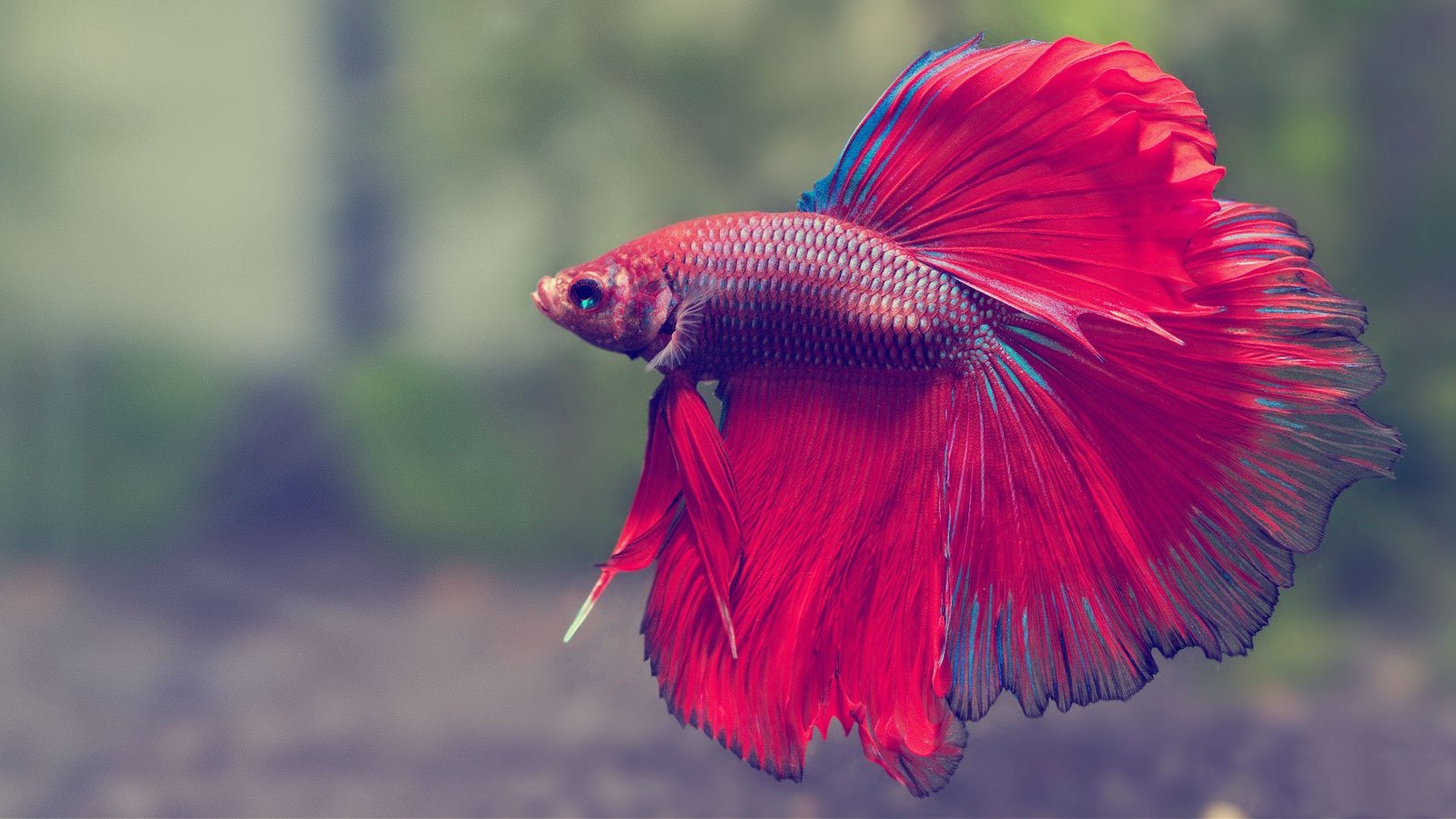
How Long Do Betta Fish Live are among the most popular freshwater aquarium fish in the world. Their vibrant colors, flowing fins, and unique personalities make them a favorite choice for both beginner and experienced fish keepers. One of the most common questions people ask before bringing home a betta fish is: how long do betta fish live? Understanding their lifespan can help owners provide the best possible care and ensure their fish enjoys a healthy and happy life.
The lifespan of a betta fish depends on several factors, including genetics, diet, tank conditions, and overall care. While many people assume these fish only live for a short time, a well-cared-for betta can thrive for several years. In this guide, we’ll explore everything you need to know about betta fish lifespan, what affects it, and how you can help your betta live longer.
The Average Lifespan of a Betta Fish
On average, betta fish live between 2 and 5 years. However, with excellent care and ideal living conditions, some bettas have been known to live even longer. Most pet store bettas How Long Do Betta Fish Live are already several months old when purchased, which means their actual age may be older than many owners realize.
Male betta fish often receive more attention because of their striking colors and long fins. Their lifespan is generally similar to that of female bettas. While there is no major lifespan difference between genders, individual health and environmental conditions play a much larger role.
Many people mistakenly believe bettas can survive in tiny bowls without proper filtration or heating. Although they are hardy fish, living in poor conditions significantly reduces their lifespan. A betta that lives in a small, dirty container may only survive for a year or two, while one kept in a suitable aquarium can enjoy a much longer life.
Factors That Influence How Long Betta Fish Live
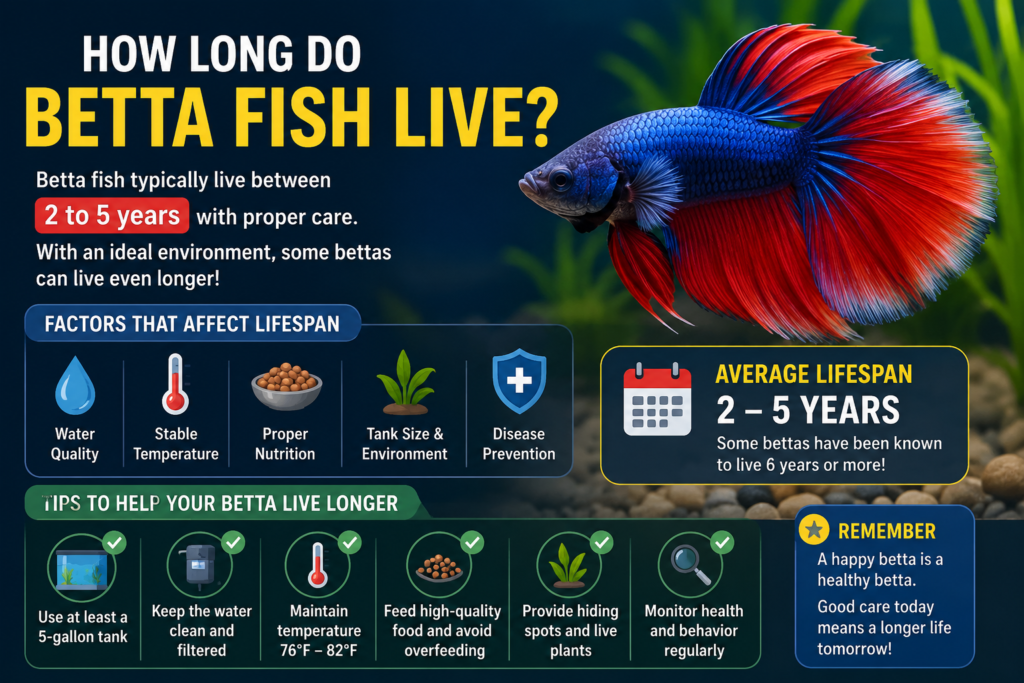
Several factors directly affect a betta fish’s lifespan. How Long Do Betta Fish Live Understanding these elements can help fish owners make better decisions about care and maintenance.
Genetics is one of the most important factors. Just like humans and other animals, some bettas are naturally healthier than others. Fish bred responsibly often have fewer health issues and may live longer than those produced through poor breeding practices.
Environmental conditions also play a major role. Bettas require clean, warm water and stable tank conditions. Frequent changes in temperature or poor water quality can stress the fish, weaken its immune system, and shorten its life.
Stress is another hidden factor that many owners overlook. Constant disturbances, aggressive tank mates, overcrowding, or inadequate hiding spaces can create chronic stress. Over time, this stress affects the fish’s health and overall longevity.
Ideal Tank Conditions for a Long-Living Betta
Creating the right environment is one of the best ways to How Long Do Betta Fish Live extend your betta fish’s lifespan. Contrary to popular belief, bettas need more than a decorative bowl to thrive.
A tank size of at least 5 gallons is generally recommended. Larger tanks provide better water stability and give the fish more room to swim. Smaller containers can cause waste levels to build up quickly, leading to unhealthy conditions.
Water temperature should remain between 76°F and 82°F (24°C to 28°C). How Long Do Betta Fish Live Bettas are tropical fish and require warm water to maintain proper metabolism and immune function. A reliable aquarium heater is often necessary, especially in cooler climates.
Filtration is equally important. A gentle filter helps keep the water clean by removing waste and harmful substances. Clean water reduces the risk of infections and diseases that could shorten a betta’s life.
The Importance of Proper Nutrition
A healthy diet plays a critical role in determining how How Long Do Betta Fish Live long a betta fish lives. Feeding your fish the right foods helps maintain strong immunity, vibrant coloration, and overall health.
Betta fish are carnivores by nature. In the wild, they feed on insects, larvae, and small aquatic creatures. High-quality betta pellets specifically designed for their nutritional needs should form the foundation of their diet.
Variety is beneficial as well. Occasional treats such as bloodworms, brine shrimp, and daphnia provide additional nutrients and stimulate natural feeding behaviors. These foods can be offered frozen, freeze-dried, or live when sourced safely.
Overfeeding is a common mistake among betta owners. How Long Do Betta Fish Live Excess food can lead to obesity, digestive issues, and poor water quality. Feeding small portions once or twice daily is usually sufficient for maintaining good health.
Common Health Problems That Affect Lifespan
Even under good care, betta fish can experience health issues. How Long Do Betta Fish Live Recognizing signs of illness early can make a significant difference in treatment success and longevity.
Fin rot is one of the most common diseases affecting bettas. It usually develops because of poor water quality or bacterial infections. If left untreated, the condition can worsen and impact the fish’s overall health.
Ich, also known as white spot disease, is another frequent problem. It appears as small white dots on the fish’s body and fins. Early treatment and maintaining proper water conditions often result in successful recovery.
Swim bladder disorders can affect a betta’s ability to swim How Long Do Betta Fish Live properly. These issues are often linked to overfeeding or digestive problems. Adjusting the fish’s diet and improving care practices can sometimes resolve mild cases.
Monitoring your fish daily helps identify unusual behavior, appetite changes, or physical symptoms before they become severe.
Can Betta Fish Live Longer Than Five Years?
Although 2 to 5 years is the typical lifespan, some bettas exceed expectations. There have been reports of betta fish living six, seven, and even eight years under exceptional care.
The key to achieving a longer lifespan lies in consistency. How Long Do Betta Fish Live Stable water parameters, high-quality nutrition, regular maintenance, and stress-free surroundings all contribute to long-term health.
Regular water testing is particularly important. Monitoring ammonia, nitrite, nitrate, and pH levels helps prevent harmful conditions from developing. Small problems caught early are much easier to correct than major issues that have already affected the fish.
Providing enrichment can also improve quality of life. Bettas How Long Do Betta Fish Live are intelligent fish that benefit from decorations, live plants, and opportunities to explore their environment. Mental stimulation may reduce stress and encourage natural behaviors.
Signs Your Betta Fish Is Aging
As betta fish grow older, they often display signs of aging similar to other pets. Recognizing these changes can help owners adjust care routines accordingly.
Older bettas may become less active than they were in their younger years. They often spend more time resting and may not swim as vigorously around the tank.
Color fading is another common sign of aging. While vibrant How Long Do Betta Fish Live coloration can remain for years, some older fish gradually lose some of their brightness over time.
Appetite changes can also occur. Senior bettas may eat less or take longer to finish meals. Offering easily digestible foods and maintaining excellent water quality can help support aging fish.
Despite these changes, many older bettas continue to enjoy a good quality of life when provided with proper care and attention.
Tips to Help Your Betta Fish Live Longer
One of the simplest ways to extend a betta’s lifespan is by maintaining How Long Do Betta Fish Live a regular tank-cleaning schedule. Partial water changes each week help remove waste and keep water conditions stable.
Avoid placing your aquarium in direct sunlight or near heating and cooling vents. Sudden temperature fluctuations can stress your fish and negatively affect its health.
Choose tank mates carefully if you decide to keep other fish with your betta. Aggressive or fin-nipping species can create constant stress and increase the likelihood of injury.
Finally, observe your fish every day. Small behavioral changes often provide the earliest clues that something may be wrong. Prompt action can prevent minor issues from becoming serious health problems.
Conclusion
So, how long do betta fish live? Most betta fish live between 2 and 5 years, but their lifespan can be significantly influenced by the quality of care they receive. Proper nutrition, clean water, a suitable tank, and a stress-free environment all contribute to a healthier and longer life.
While no owner can control genetics, providing excellent care gives a betta the best possible chance of reaching its full lifespan. These beautiful fish are much more than decorative pets—they How Long Do Betta Fish Live are intelligent, fascinating creatures that reward attentive care with years of companionship. By understanding their needs and creating an ideal habitat, you can help your betta fish enjoy a long, vibrant, and healthy life.
Genetics is one of the most important factors. Just like humans and other animals, some bettas are naturally healthier than others. Fish bred responsibly often have fewer health issues and may live longer than those produced through poor breeding practices.
Environmental conditions also play a major role. Bettas require clean, warm water and stable tank conditions. Frequent changes in temperature or poor water quality can stress the fish, weaken its immune system, and shorten its life.
Stress is another hidden factor that many owners overlook. Constant disturbances, aggressive tank mates, overcrowding, or inadequate hiding spaces can create chronic stress. Over time, this stress affects the fish’s health and overall longevity.