

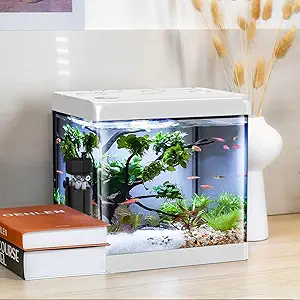
Betta Fish Tank are among the most popular aquarium pets in the world, and it is easy to see why. Their vibrant colors, flowing fins, and unique personalities make them a favorite choice for both beginner and experienced fish keepers. However, many people underestimate the importance of providing the right betta fish tank. A proper tank is much more than just a container filled with water. It serves as your betta’s entire world, influencing its health, behavior, and lifespan.
Unfortunately, one of the biggest myths about bettas is that they can thrive in tiny bowls or small decorative containers. While bettas are known for surviving in less-than-ideal conditions, surviving is not the same as thriving. A well-designed betta fish tank allows your fish to stay active, healthy, and stress-free while displaying its natural beauty.
In this guide, we will explore everything you need to know about choosing, setting up, and maintaining the perfect betta fish tank. Whether you are purchasing your first betta or upgrading an existing aquarium, this article will help you create an environment where your fish can truly flourish.
Why Choosing the Right Betta Fish Tank Matters
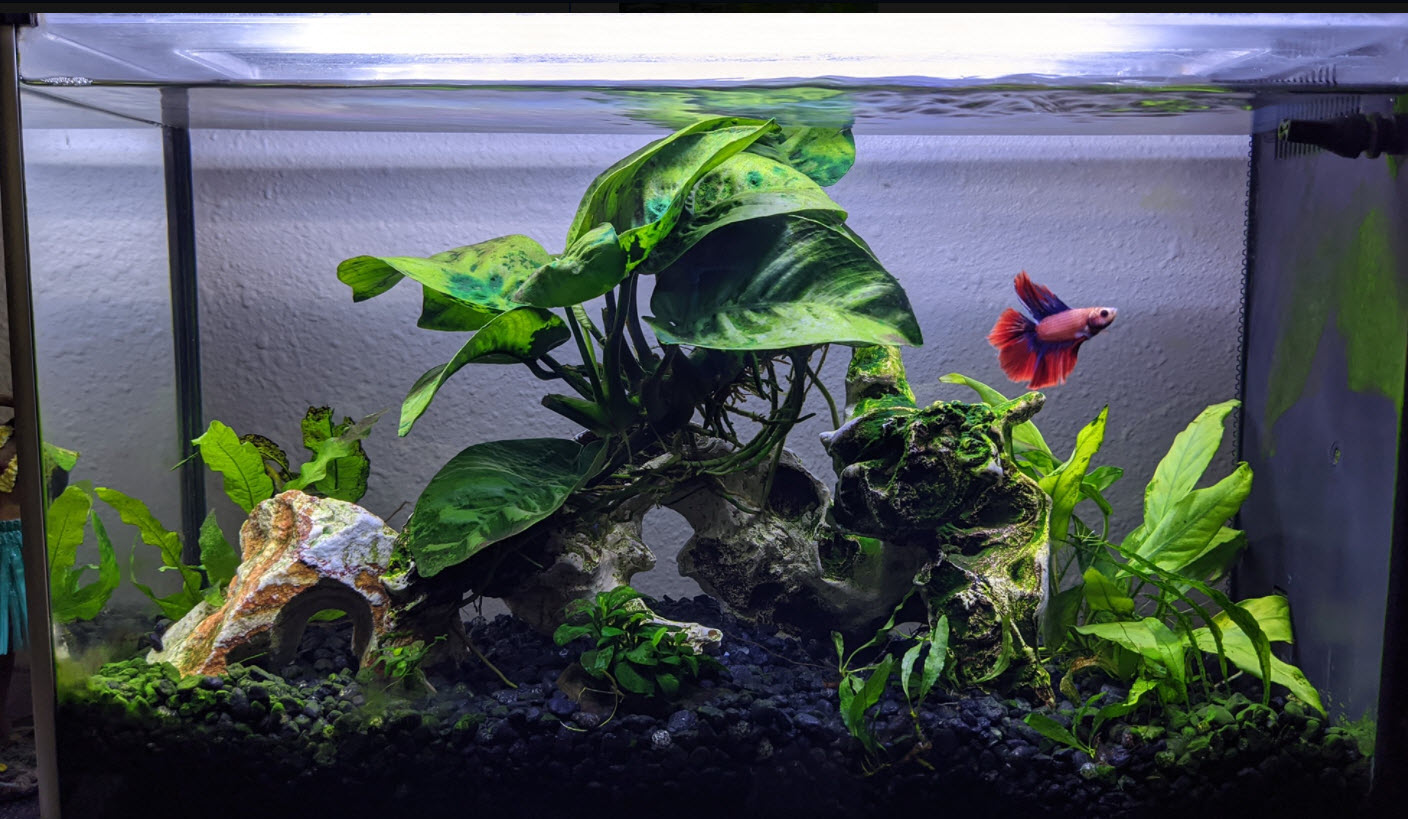
The tank you choose plays a significant role in your betta’s overall well-being. Many beginners purchase small bowls because they are inexpensive and commonly marketed for betta fish. However, these small containers often create unstable water conditions that can negatively affect fish health.
A larger tank provides better water quality because toxins such as ammonia build up more slowly. This creates a safer and more stable environment for your betta. Consistent water parameters help reduce stress and lower the risk of illness.
The right tank also gives your fish enough space to swim and explore. Bettas are naturally curious creatures that enjoy investigating their surroundings. A properly sized aquarium encourages natural behaviors and keeps your fish mentally stimulated.
In addition to benefiting your fish, a larger and well-maintained Betta Fish Tank is often easier for owners to manage. Stable water conditions mean fewer problems and a healthier aquatic environment overall.
What Size Tank Is Best for a Betta Fish?
One of the most common questions new owners ask is how large a betta fish tank should be. While bettas can technically survive in small containers, experts generally recommend a minimum tank size of five gallons.
A five-gallon tank provides enough room for swimming while maintaining more stable water conditions. It also offers flexibility when adding decorations, plants, and hiding spots. For owners Betta Fish Tank who want to create an impressive setup, tanks ranging from five to ten gallons are often ideal.
Larger tanks can be even better when properly maintained. A ten-gallon aquarium gives your betta plenty of space to explore while making water quality easier to control. The additional room also allows for more creative aquascaping and natural decoration.
Choosing the right size from the beginning helps prevent many common problems associated with poor water quality and cramped living conditions.
Essential Equipment for a Betta Fish Tank
Creating a healthy betta habitat requires more than simply filling a tank with water. Several pieces of equipment help maintain a stable and comfortable environment.
A quality filter is one of the most important additions. Filters remove waste and help maintain clean water. However, bettas prefer gentle water movement because Betta Fish Tank their long fins make strong currents difficult to navigate. Sponge filters and adjustable flow filters are excellent choices.
A heater is equally important. Betta fish are tropical animals that thrive in temperatures between 76°F and 82°F. Water that is too cold can weaken their immune system and make them more susceptible to disease.
A thermometer allows you to monitor water temperature accurately. Consistent temperatures help reduce stress and support overall health.
Lighting is another useful feature. Proper aquarium lighting enhances the appearance of your fish while supporting live plant growth. A simple LED light often provides sufficient illumination without generating excess heat.
Together, these essential tools create a stable environment that supports long-term betta health.
Decorating Your Betta Fish Tank
Decorating a betta fish tank is one of the most enjoyable aspects of fish keeping. Decorations not only improve appearance but also provide enrichment and security for your fish.
Live plants are often considered the best decoration option. Plants such as Anubias, Java Fern, and Amazon Sword create a natural environment while improving water quality. Bettas enjoy resting on plant leaves and weaving through vegetation.
Artificial plants can also work well if they are made from soft materials. Avoid sharp plastic decorations that may tear delicate fins. Smooth surfaces help prevent injuries and keep your fish comfortable.
Hiding spots are another important feature. Caves, driftwood, and aquarium-safe ornaments provide shelter and help reduce stress. Bettas often appreciate having a quiet area where they can retreat when they want privacy.
The goal is to create a balance between open swimming areas and sheltered spaces. This combination allows your betta to explore while feeling safe and secure.
Understanding Water Quality and Maintenance
Maintaining good water quality is one of the most important responsibilities of any fish owner. Poor water conditions are responsible for many health issues seen in betta fish.
Before introducing your fish, the aquarium should be properly cycled. Cycling establishes beneficial bacteria that break down harmful waste products. This biological filtration process helps maintain a healthier environment.
Regular water testing allows you to monitor ammonia, nitrite, nitrate, and pH levels. Keeping these parameters within safe ranges helps prevent stress and disease.
Partial water changes should be performed regularly. Replacing approximately 20 to 30 percent of the water each week removes accumulated waste and replenishes essential minerals.
Cleaning should always be done carefully. Avoid replacing all water at once, as sudden changes can shock your fish. Consistency is the key to maintaining a healthy aquarium ecosystem.
Feeding Your Betta in a Proper Tank Environment
A healthy betta fish tank works hand in hand with proper nutrition. Even the best aquarium setup cannot compensate for a poor diet.
High-quality betta pellets should serve as the foundation of your fish’s diet. These pellets are specifically formulated to meet the nutritional needs of bettas. Feeding small portions once or twice daily is usually sufficient.
Variety can improve nutrition and stimulate natural feeding behaviors. Frozen or live foods such as bloodworms, brine shrimp, and daphnia make excellent occasional treats.
Overfeeding is a common mistake among new owners. Excess food decomposes in the tank, reducing water quality and increasing the risk of health problems. It is generally better to feed slightly less than too much.
A balanced feeding routine supports vibrant coloration, strong immunity, and active behavior.
Common Mistakes Betta Owners Should Avoid
Many betta fish problems can be traced back to a few common mistakes. Understanding these errors can help new owners provide better care.
One of the biggest mistakes is keeping a betta in a tiny bowl without filtration or heating. Such environments often experience rapid temperature changes and poor water quality.
Another common issue is overcrowding the tank. While some tank mates can coexist with bettas, introducing incompatible fish may lead to aggression and stress. Careful research is essential before adding companions.
Neglecting regular maintenance is another frequent problem. Skipping water changes allows toxins to build up, which can eventually harm your fish.
Finally, many owners overlook the importance of enrichment. Bettas are intelligent fish that benefit from plants, decorations, and opportunities to explore their environment.
Avoiding these mistakes significantly improves your betta’s quality of life.
Signs of a Healthy and Happy Betta Fish
A healthy betta fish displays several positive characteristics. Active swimming, bright coloration, and a healthy appetite are all encouraging signs.
Your betta should regularly explore different areas of the tank and show curiosity toward its surroundings. Occasional resting is normal, but prolonged inactivity may indicate a problem.
Healthy fins should appear open and undamaged. Frayed, clamped, or deteriorating fins can signal stress or disease.
Clear eyes, smooth scales, and consistent breathing patterns also indicate good health. Monitoring your fish regularly helps you detect potential issues before they become serious.
When provided with a suitable tank, proper nutrition, and consistent care, bettas can live happy and fulfilling lives for several years.
Conclusion
A betta fish tank is much more than a decorative display—it is the foundation of your fish’s health and happiness. Choosing an appropriately sized aquarium, maintaining clean water, providing proper equipment, and creating a stimulating environment all contribute to the well-being of your betta.
While these colorful fish are often marketed as low-maintenance pets, they thrive when given thoughtful care and attention. Investing in a quality tank setup not only improves your fish’s quality of life but also makes fish keeping a more enjoyable and rewarding experience.
With the right approach, your betta fish tank can become a beautiful centerpiece in your home while providing a safe and comfortable habitat for one of the aquarium hobby’s most fascinating fish.