
Search engine ranking reports are one of the most valuable tools for anyone who owns a website, runs a business, or works in digital marketing. They provide a clear picture of how your website performs in search engine results and help you understand whether your SEO strategy is working. Without regular ranking reports, it becomes difficult to identify what is improving, what needs attention, and where new opportunities exist. Whether you are managing a personal blog, an eCommerce store, or a corporate website, ranking reports allow you to make informed decisions based on real data instead of guesswork.
As search engine algorithms continue to evolve, tracking keyword performance has become more important than ever. Rankings can change due to algorithm updates, competitor improvements, seasonal trends, or changes made to your own website. A well-structured search engine ranking report helps you stay ahead by highlighting these changes before they impact your traffic significantly.
In this guide, you’ll learn everything about search engine ranking reports, including what they are, why they matter, what metrics they include, how to create them, and the best practices for using them to improve your SEO strategy.
What Are Search Engine Ranking Reports?

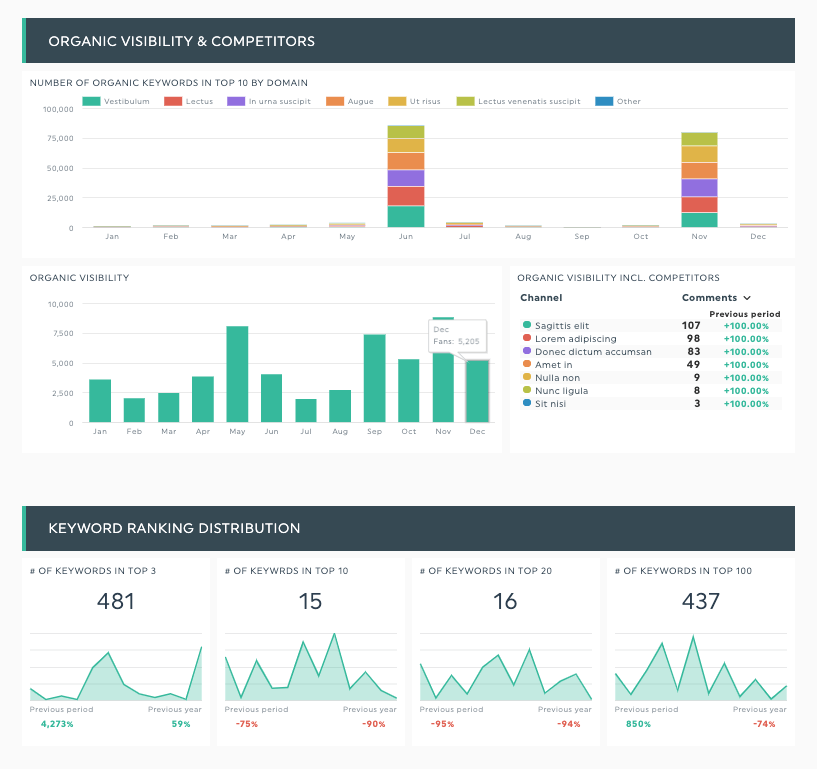
Search engine ranking reports are documents or dashboards that display how your website ranks for selected keywords across search engines such as Google, Bing, and Yahoo. These reports usually compare rankings over different periods, allowing website owners to track progress and identify trends.
Instead of checking keyword positions manually every day, ranking reports automatically collect and organize ranking data. They present valuable insights in an easy-to-read format, making it simple to understand whether your SEO efforts are producing positive results.
These reports are useful for bloggers, SEO agencies, marketing teams, business owners, and anyone responsible for improving online visibility. They transform raw ranking data into meaningful information that supports smarter SEO decisions.
Why Search Engine Ranking Reports Matter
Many website owners focus only on website traffic, but traffic alone does not tell the complete story. Search engine ranking reports explain why traffic is increasing or decreasing by showing how keyword positions change over time.
When your rankings improve, you generally receive more organic visitors. Higher rankings also increase credibility because users tend to trust websites appearing on the first page of search results. Ranking reports help you measure these improvements consistently.
They also reveal potential problems early. If several important keywords suddenly drop in rankings, you can investigate possible causes such as technical issues, poor content quality, lost backlinks, or algorithm updates before traffic declines dramatically.
Key Components of a Search Engine Ranking Report
A professional ranking report includes several important metrics beyond simple keyword positions. Each metric contributes to a better understanding of your website’s SEO performance.
The report typically lists target keywords alongside their current positions, previous positions, ranking changes, search volume, competition level, and the landing pages ranking for each keyword. Some reports also include estimated traffic, click-through rates, and keyword difficulty scores.
Advanced reports often visualize ranking trends using charts and graphs. These visual elements make it easier to identify long-term growth patterns instead of focusing on daily ranking fluctuations, which are often temporary and insignificant.
How Search Engine Ranking Reports Help Improve SEO
Ranking reports provide direction for your optimization efforts. Rather than randomly updating pages, you can prioritize keywords that are close to reaching the first page of search results.
For example, if a keyword improves from position 18 to position 11, additional content optimization, internal linking, and improved user experience may help move it into the top 10 results, where significantly Search Engine Ranking Reports more clicks occur.
These reports also help identify declining keywords. Instead of waiting until traffic falls, you can refresh outdated content, improve page speed, add new information, or strengthen backlinks before rankings deteriorate further.
Important Metrics Included in Ranking Reports
Modern search engine ranking reports often include several performance indicators that provide deeper insights into SEO effectiveness.
Keyword position remains the primary metric because it directly reflects your visibility in search engine results. However, search volume helps determine whether ranking improvements will actually generate meaningful traffic.
Ranking reports may also include visibility scores, estimated organic traffic, average ranking position, click-through rate estimates, search intent classification, and SERP features such as featured snippets or local packs. Monitoring these metrics together gives a more complete picture than rankings alone.
Types of Search Engine Ranking Reports
Different businesses require different reporting formats depending on their goals and target audience.
Daily ranking reports are useful for SEO professionals managing competitive industries where rankings change frequently. Weekly reports offer a balanced view without emphasizing temporary fluctuations.
Monthly reports are the most common because they provide enough data to evaluate long-term trends while filtering out short-term ranking volatility. Executive reports usually summarize key performance indicators for business owners, while detailed reports contain technical insights for SEO specialists.
Best Tools for Creating Search Engine Ranking Reports
Numerous SEO tools simplify the process of generating accurate ranking reports. Each platform offers different features depending on your reporting needs.
Google Search Console provides free keyword performance data, including impressions, clicks, average position, and click-through rates. Although it doesn’t track rankings in the same way as premium tools, it offers highly reliable information directly from Google.
Professional SEO platforms such as Ahrefs, SEMrush, Moz, SE Ranking, SERPWatcher, AccuRanker, and Rank Math Analytics provide comprehensive ranking reports with historical tracking, competitor comparisons, keyword grouping, and automated report generation.
How Often Should You Check Ranking Reports?
Many beginners make the mistake of checking keyword rankings multiple times each day. Since search rankings naturally fluctuate, daily monitoring often creates unnecessary concern.
Weekly reviews work well for most websites because they provide enough data to identify meaningful changes while reducing distractions caused by temporary ranking shifts.
Monthly performance reviews are ideal for evaluating SE
O campaigns. Comparing monthly reports helps reveal whether content improvements, technical fixes, and backlink strategies are contributing to sustainable ranking growth.
Common Reasons Rankings Change
Ranking reports become much more valuable when you understand why keyword positions change over time.
Google frequently updates its search algorithms, which can positively or negatively affect rankings depending on how well your website aligns with current ranking factors. Competitors also continuously improve their websites, making SEO an ongoing process rather than a one-time task.
Other factors include content freshness, technical SEO improvements, page speed, mobile usability, backlink quality, search intent alignment, user experience, and seasonal keyword demand. Ranking reports help connect these changes to actual SEO outcomes.
How to Read Search Engine Ranking Reports Correctly
Looking only at whether a keyword moved up or down can lead to incorrect conclusions. Effective analysis requires understanding the broader context behind ranking changes.
A small ranking drop from position 2 to position 3 may have minimal impact on traffic, while moving from position 11 to position 9 can significantly increase clicks because the keyword enters the first page.
Similarly, ranking improvements for low-volume keywords may generate little additional traffic. Prioritize keywords that combine strong rankings with meaningful search volume and business relevance.
Using Ranking Reports to Improve Content Strategy
Content optimization becomes much easier when guided by ranking reports rather than assumptions.
If a page ranks between positions 8 and 20, updating the content with more detailed explanations, recent statistics, relevant keywords, improved headings, and better user engagement elements can often boost rankings.
Ranking reports also reveal content gaps. If multiple related keywords perform poorly, creating comprehensive topic clusters and supporting articles can strengthen topical authority and improve overall visibility across your niche.
Search Engine Ranking Reports for Competitor Analysis
Your competitors provide valuable insights that can improve your own SEO strategy. Many ranking tools allow direct comparison between your website and competing domains.
Competitor reports show which keywords your rivals rank for, where they outperform you, and which pages generate their strongest organic traffic. This information helps identify opportunities for creating better content or targeting underserved keywords.
Regular competitor monitoring also highlights emerging trends before they become highly competitive. Early action often leads to stronger rankings with less effort than trying to compete after every competitor has already optimized for the same keywords.
Mistakes to Avoid When Using Ranking Reports
One of the biggest mistakes is focusing only on rankings while ignoring user experience and conversions. High rankings are valuable only if visitors engage with your content and complete desired actions.
Another common mistake involves tracking too many keywords without prioritization. Concentrate on keywords that directly support your business objectives rather than monitoring hundreds of low-value terms.
Many website owners also panic over short-term ranking fluctuations. Temporary changes are normal. Instead of reacting immediately, monitor longer trends and investigate only when consistent declines appear over several reporting periods.
Best Practices for Search Engine Ranking Reports
Maintain a consistent keyword list so long-term performance comparisons remain meaningful. Frequently changing tracked keywords makes historical analysis less reliable.
Organize keywords into logical categories such as products, services, blog topics, or locations. Grouping keywords helps identify which sections of your website perform best and which require additional optimization.
Combine ranking reports with other analytics such as Google Analytics, Search Console, and conversion tracking. Rankings alone provide valuable information, but combining multiple data sources creates a much more complete understanding of website performance.
Future of Search Engine Ranking Reports
Search engine ranking reports continue to evolve alongside advances in artificial intelligence and search technology. Modern SEO platforms increasingly integrate predictive analytics, automated recommendations, and AI-powered insights into ranking dashboards.
Future reports are likely to place greater emphasis on search intent, user behaviour, AI-generated search experiences, voice search performance, and entity-based optimization instead of relying solely on traditional keyword rankings.
Despite these technological advancements, the core purpose of ranking reports will remain the same: helping website owners understand their visibility, identify opportunities, and continuously improve their search performance through informed decision-making.
Conclusion
Search engine ranking reports are an essential part of every successful SEO strategy. They provide valuable insights into keyword performance, reveal opportunities for growth, identify potential problems early, and support smarter optimization decisions. Rather than relying on assumptions, ranking reports allow businesses to measure real progress using accurate data.
Whether you use free tools like Google Search Console or advanced SEO platforms with automated reporting features, regularly reviewing ranking reports helps maintain strong search visibility and adapt to changing search engine algorithms. The most successful websites treat ranking reports as ongoing performance guides rather than occasional checklists.
By tracking the right keywords, analyzing long-term trends, improving content based on data, and combining ranking reports with broader SEO metrics, you can build a stronger online presence, attract more qualified visitors, and achieve sustainable organic growth over time. Consistent monitoring, strategic improvements, and patience are the keys to turning search engine ranking reports into measurable SEO success.