

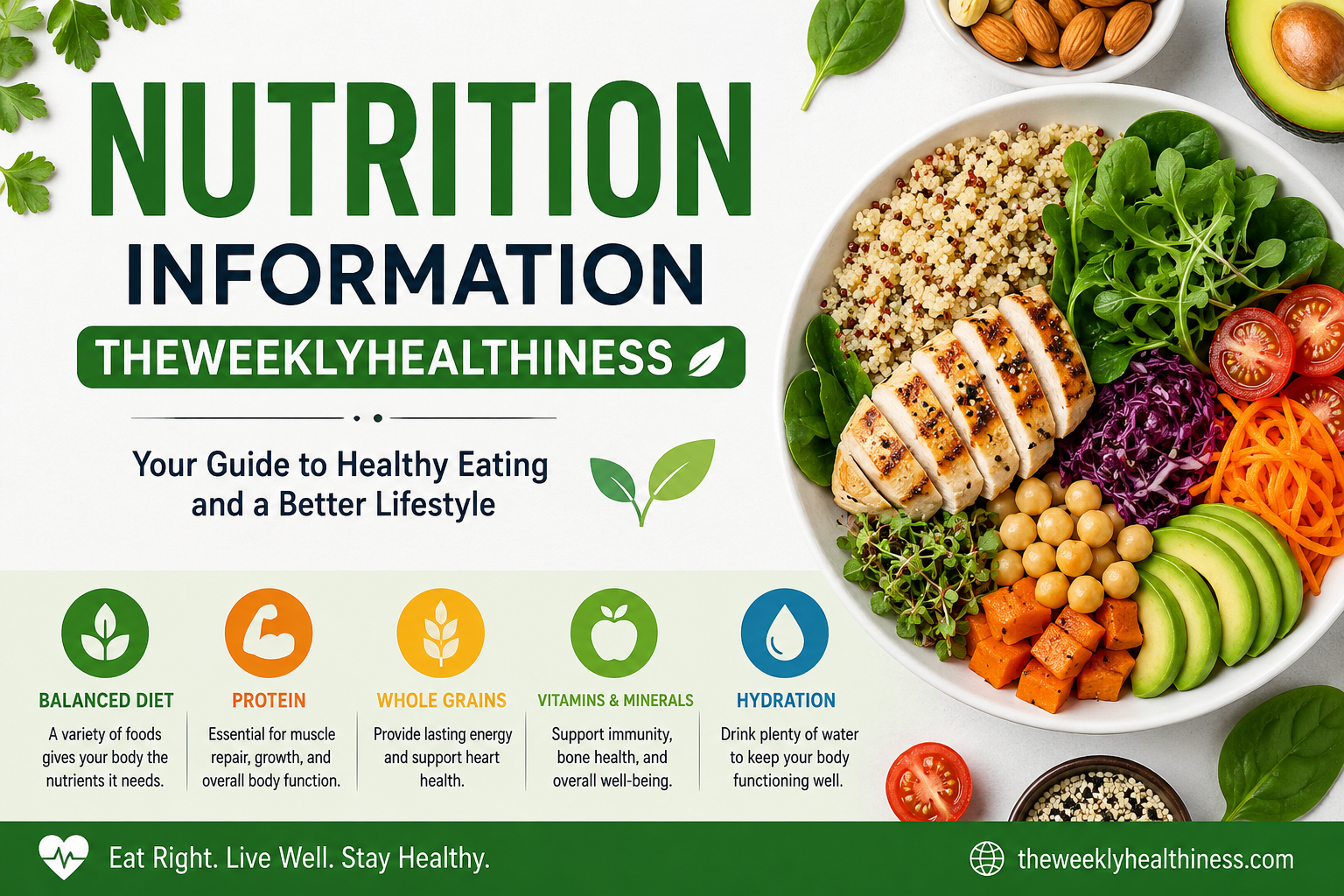
Nutrition Information TheWeeklyHealthiness Good nutrition is one of the most important foundations of a healthy life. Every meal we eat influences our energy levels, immune system, mental focus, and long-term well-being. While nutrition advice is available everywhere, it can often be confusing because of changing trends, conflicting opinions, and misleading information online. This is why reliable nutrition information TheWeeklyHealthiness has become increasingly valuable for people who want practical and science-backed advice instead of unrealistic promises.
Understanding nutrition doesn’t mean following a strict diet or giving up your favorite foods forever. It means learning how different foods affect your body and making informed decisions that support your personal health goals. Whether you’re trying to lose weight, build muscle, improve digestion, or simply feel more energetic, having access to trustworthy nutritional knowledge makes the journey much easier.
This guide explores everything you should know about nutrition information TheWeeklyHealthiness, including balanced eating habits, essential nutrients, healthy meal planning, hydration, common nutrition myths, and practical tips that anyone can follow for lasting health improvements.
What Is Nutrition Information TheWeeklyHealthiness?

Nutrition information TheWeeklyHealthiness focuses on delivering simple, practical, and evidence-based advice about healthy eating. Rather than promoting fad diets or miracle supplements, it emphasizes creating sustainable habits that improve overall wellness over time. The goal is to educate readers about nutrition in a way that is easy to understand and apply in everyday life.
One of the biggest strengths of this approach is that it recognizes every individual has different nutritional needs. Factors such as age, activity level, medical conditions, metabolism, and personal preferences all influence the best eating pattern for a person. Instead of offering a one-size-fits-all solution, it encourages readers to make personalized choices based on reliable nutritional principles.
TheWeeklyHealthiness also highlights the importance of consistency rather than perfection Nutrition Information TheWeeklyHealthiness. Healthy eating isn’t about making perfect choices every single day. Instead, it’s about making better choices more often and understanding that occasional treats can still fit into a balanced lifestyle without guilt.
Understanding the Essential Nutrients Your Body Needs
Every food you consume contains nutrients that perform Nutrition Information TheWeeklyHealthiness specific functions inside your body. Understanding these nutrients helps you build meals that support overall health and reduce the risk of nutritional deficiencies.
Carbohydrates are your body’s primary energy source. They fuel your brain, muscles, and daily activities. Whole grains, fruits, vegetables, legumes, and oats provide complex carbohydrates that release energy gradually, keeping you fuller for longer while maintaining stable blood sugar levels. Refined sugars and processed carbohydrates, on the other hand, often provide quick energy followed by crashes that leave you feeling tired.
Proteins are responsible for building and repairing tissues, producing enzymes, supporting immune function, and maintaining muscle mass. Lean meats, poultry, fish, eggs, dairy products, lentils, beans, tofu, and nuts all provide quality protein. Getting enough protein throughout the day helps improve satiety and supports recovery after physical activity.
Healthy Nutrition Information TheWeeklyHealthiness fats are another essential part of nutrition. They support brain health, hormone production, vitamin absorption, and heart health. Sources like avocados, olive oil, almonds, walnuts, chia seeds, flaxseeds, and fatty fish contain beneficial fats that should be included regularly as part of a balanced diet.
Why Balanced Nutrition Matters Every Day
Balanced nutrition isn’t just about preventing illness. It directly affects how you feel from morning until bedtime. When your body receives the right combination of nutrients, it functions more efficiently and supports every organ system.
Eating balanced meals helps regulate blood sugar levels, reducing sudden spikes and crashes that can lead to fatigue, irritability, and cravings. Stable blood sugar also improves concentration,Nutrition Information TheWeeklyHealthiness making it easier to stay productive at work or school throughout the day.
Proper nutrition also strengthens the immune system. Vitamins A, C, D, E, zinc, selenium, and protein all contribute to healthy immune function. A diet rich in colorful fruits, vegetables, lean proteins, and whole grains provides many of these nutrients naturally, helping your body defend itself against infections.
Long-term benefits are equally impressive. Healthy eating patterns lower the risk of obesity, type 2 diabetes, cardiovascular disease, hypertension, osteoporosis, and certain cancers. These benefits accumulate gradually over time, making consistent healthy choices one of the best investments you can make in your future health.
Building a Healthy Plate the Smart Way
Creating balanced meals doesn’t have to involve complicated calculations or restrictive diets. One of the easiest methods is to focus on portion balance rather than eliminating entire food groups.
Half of your plate should consist of vegetables and fruits. These foods provide vitamins, minerals, antioxidants, fiber, and water while remaining relatively low in calories. Choosing a variety of colors ensures you receive a broader range of nutrients that support different aspects of health.
About one-quarter of your plate should contain lean protein Nutrition Information TheWeeklyHealthiness sources. Chicken breast, turkey, fish, eggs, beans, lentils, tofu, and low-fat dairy products all contribute valuable amino acids that help repair tissues and maintain muscle mass. Protein also increases fullness, making it easier to avoid unnecessary snacking.
The remaining quarter should include healthy carbohydrates such as brown rice, quinoa, oats, sweet potatoes, or whole-grain pasta. Adding a small portion of healthy fats like olive oil, nuts, or avocado completes the meal and improves nutrient absorption while enhancing flavor.
The Importance of Vitamins and Minerals
Micronutrients may be needed in smaller amounts than carbohydrates or proteins, but they are equally essential for maintaining good health. Vitamins and minerals participate in hundreds of chemical reactions inside the body every day.
Vitamin C supports collagen production, wound healing, and immune health. Citrus fruits, strawberries, kiwi, broccoli, bell peppers, and tomatoes are excellent dietary sources. Consuming these foods regularly helps maintain healthy skin and supports overall wellness.
Calcium and vitamin D work together to strengthen bones and teeth. Dairy products, fortified plant-based milk, leafy greens, and sunlight exposure all contribute to maintaining adequate levels.Nutrition Information TheWeeklyHealthiness Without sufficient intake, bone density can gradually decline over time.
Iron helps transport oxygen throughout the body. Lean red meat, spinach, beans, lentils, fortified cereals, and pumpkin seeds all provide iron. Pairing plant-based iron sources with vitamin C-rich foods improves absorption, making them even more beneficial.
Hydration Is Just as Important as Nutrition
Many people focus entirely on food while overlooking hydration, even though water is essential for nearly every bodily function. It regulates temperature, transports nutrients, lubricates joints, and removes waste products from the body.
Even mild dehydration can reduce concentration, physical performance, and mood. Common symptoms include headaches, fatigue, dry mouth, dizziness, and reduced focus. Drinking water consistently Nutrition Information TheWeeklyHealthiness throughout the day helps prevent these issues before they develop.
While individual water needs vary depending on age, climate, and activity level, drinking whenever you’re thirsty and choosing water as your primary beverage is an excellent habit. Fruits, vegetables, soups, and herbal teas also contribute to daily hydration and support overall health.
Nutrition Myths You Should Stop Believing
The internet is filled with nutrition advice, but not all of it is accurate. Believing common myths can make healthy eating unnecessarily difficult and sometimes even harmful.
One popular myth suggests that carbohydrates are inherently bad. In reality, whole-food carbohydrates are an important energy source. The real issue is excessive consumption of refined sugars and highly processed foods rather than healthy whole grains, fruits, and vegetables.
Another misconception is that skipping meals leads to better weight loss. While meal timing varies between individuals, skipping meals often increases hunger later in the day, leading to overeating and poor food choices. Balanced, consistent eating generally supports healthier habits Nutrition Information TheWeeklyHealthiness.
Many people also believe expensive superfoods are necessary for good nutrition. Although foods like chia seeds and blueberries are nutritious, affordable staples such as beans, oats, eggs, spinach, bananas, and carrots provide outstanding nutritional value without increasing grocery costs.
Healthy Eating Habits That Last
Long-term success comes from building habits rather than chasing temporary diets. Sustainable routines create lasting improvements without making healthy eating feel like a constant struggle.
Meal planning is one of the most effective habits. Preparing meals ahead of time reduces the temptation to rely on fast food or processed snacks during busy days. Even planning three or four meals each week can make a noticeable difference in dietary quality.
Mindful eating is another valuable practice. Eating slowly, paying attention to hunger signals, and limiting distractions during meals help prevent overeating while allowing you to enjoy food more fully. Nutrition Information TheWeeklyHealthiness Your brain needs time to recognize fullness, making slower eating especially beneficial.
Consistency matters more than perfection. Missing one healthy meal or enjoying dessert occasionally doesn’t undo your progress. Focusing on your overall eating pattern rather than individual meals creates a healthier relationship with food and reduces unnecessary stress.
Nutrition for Different Life Stages
Nutritional needs change throughout life, making it important to adapt eating habits as your body changes. Children require sufficient protein, calcium, iron, and healthy fats to support growth and brain development. Encouraging balanced meals from an early age helps establish healthy habits that often continue into adulthood.
Adults should prioritize maintaining muscle mass, supporting heart health, and managing body weight through balanced nutrition and regular physical activity. As metabolism naturally slows with age, focusing on nutrient-dense foods becomes increasingly important for maintaining energy without excessive calorie intake.
Older adults often need additional attention to Nutrition Information TheWeeklyHealthiness protein intake, hydration, vitamin D, calcium, and vitamin B12. Maintaining muscle strength, bone density, and cognitive health becomes especially important later in life, making good nutrition an essential component of healthy aging.
Practical Nutrition Tips You Can Start Today
Improving your nutrition doesn’t require a complete lifestyle overhaul. Small, realistic changes often produce the most sustainable results because they’re easier to maintain over time.
Start by adding an extra serving of vegetables to your lunch or dinner. This simple adjustment increases fiber, vitamins, and minerals while naturally reducing reliance on highly processed foods. Colorful vegetables also make meals more satisfying and visually appealing.
Replace sugary beverages with water or unsweetened alternatives whenever possible. This single habit can significantly reduce daily sugar intake while supporting hydration and weight management Nutrition Information TheWeeklyHealthiness without requiring major dietary restrictions.
Choose whole foods more often than processed foods. Reading ingredient labels, cooking at home when possible, and keeping healthy snacks readily available make nutritious choices much easier during busy schedules.
Final Thoughts on Nutrition Information TheWeeklyHealthiness
Nutrition information TheWeeklyHealthiness encourages a practical, balanced, and sustainable approach to healthy eating rather than promoting unrealistic diets or quick fixes. Good nutrition isn’t about achieving perfection or following complicated rules. It’s about understanding your body’s needs, choosing nutrient-rich foods regularly, staying hydrated, and building habits that support long-term wellness.
Everyone’s nutritional journey is unique, but the fundamental principles remain consistent. Eating a variety of whole foods, balancing carbohydrates, proteins, and healthy fats, consuming plenty of fruits and vegetables, and maintaining proper hydration create a strong foundation for better health. Small improvements made consistently often lead to the biggest long-term results.
Ultimately, investing in your nutrition is an investment in every aspect of your life. Better food choices can improve energy, strengthen immunity, enhance mental clarity, support healthy aging, and reduce the risk of chronic disease. By following reliable nutrition information TheWeeklyHealthiness and applying these practical strategies, you can enjoy a healthier lifestyle that is both realistic and sustainable for years to come.