

Introduction
Bosnia is one of Europe’s most fascinating destinations, offering a perfect blend of history, culture, breathtaking landscapes, and warm hospitality. Officially known as Bosnia and Herzegovina, this Balkan nation has become increasingly popular among travelers looking for authentic experiences beyond the usual tourist hotspots. From medieval towns and Ottoman-era architecture to stunning rivers and majestic mountains, Bosnia has something for everyone.
Although the country has experienced a complex and sometimes difficult history, modern Bosnia has emerged as a peaceful and welcoming destination. Visitors often leave impressed by its friendly people, delicious cuisine, affordable prices, and unique mix of Eastern and Western influences that can be seen in its architecture, traditions, and daily life.
Whether you are planning a vacation, researching the country’s history, or simply curious about one of Europe’s hidden gems, Bosnia offers countless stories worth discovering. Every city, village, and mountain has its own character, making the country a rewarding place to explore.
Geography and Natural Beauty
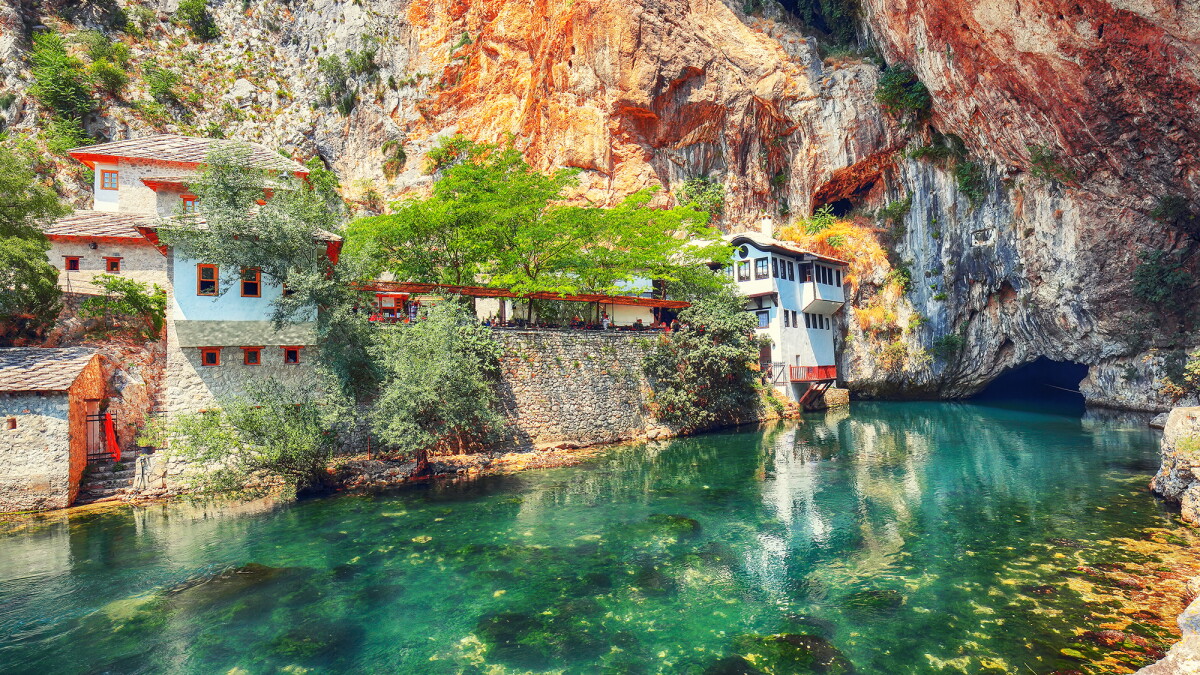
Bosnia and Herzegovina is located in Southeastern Europe on the Balkan Peninsula. It shares borders with Croatia, Serbia, and Montenegro while also having a small coastline along the Adriatic Sea. Despite its limited access to the sea, the country is famous for its mountains, forests, rivers, and waterfalls rather than its beaches.
The country’s landscape is incredibly diverse. Dense forests cover large portions of the land, while rivers such as the Neretva, Una, Drina, and Bosna flow through beautiful valleys and historic towns. These rivers provide excellent opportunities for rafting, kayaking, fishing, and nature photography. Bosnia’s untouched environment attracts outdoor enthusiasts from around the world who enjoy hiking, camping, and wildlife watching.
National parks further highlight Bosnia’s natural beauty. Sutjeska National Park, home to Perućica, one of Europe’s last remaining primeval forests, showcases the country’s rich biodiversity. During winter, mountain resorts become popular destinations for skiing and snowboarding, while spring and summer transform the landscape into a paradise filled with green valleys, colorful flowers, and crystal-clear lakes.
A Rich and Complex History
Bosnia’s history stretches back thousands of years, with evidence of ancient civilizations inhabiting the region long before the Roman Empire. Throughout history, Bosnia has been influenced by various kingdoms, empires, and cultures, each leaving a lasting mark on the country’s identity. This unique historical journey is reflected in its architecture, traditions, and multicultural society.
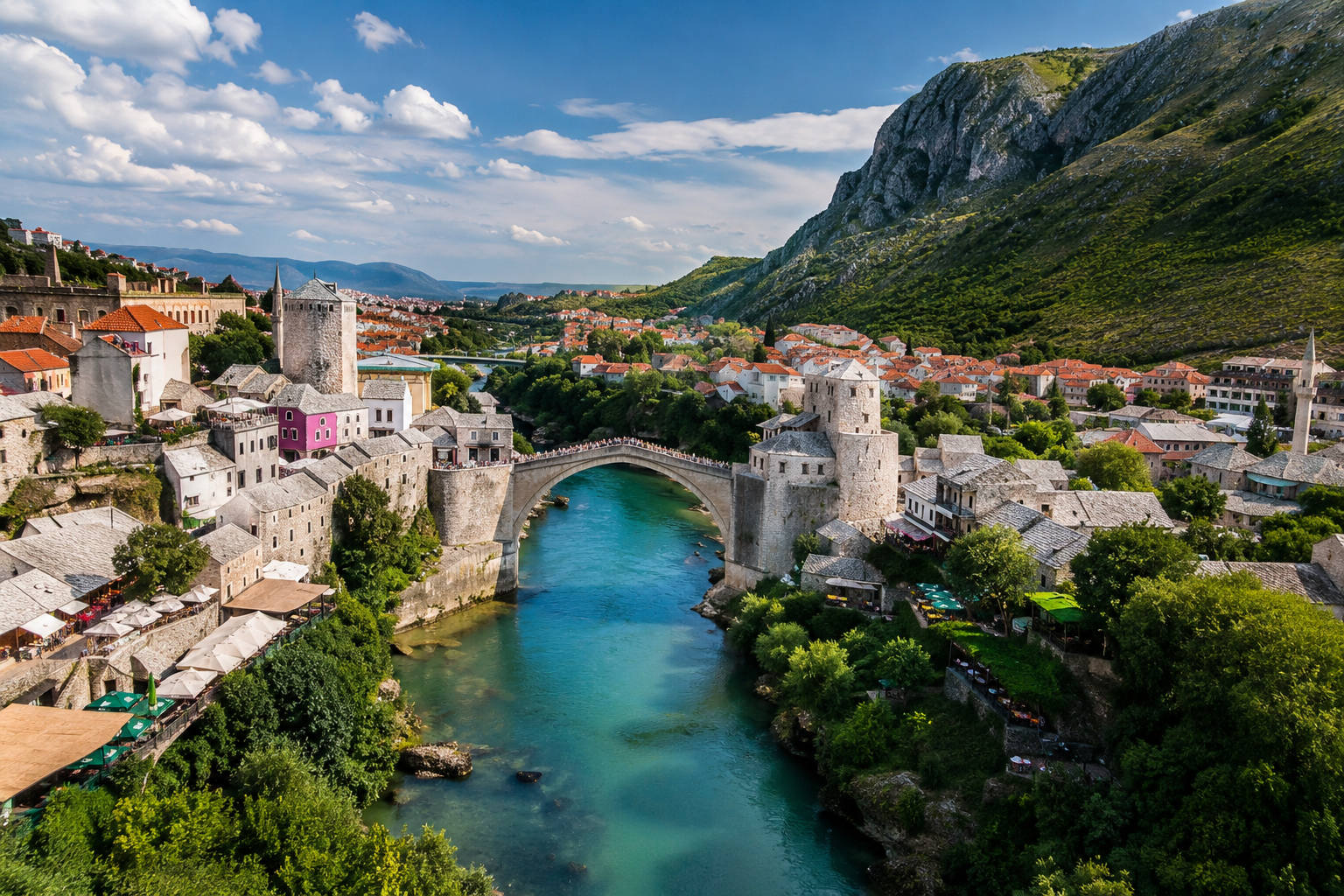
One of the most influential periods came during Ottoman rule, which lasted for several centuries. During this time, magnificent mosques, bridges, bazaars, and public baths were constructed. The Ottoman influence remains visible today, especially in cities like Mostar and Sarajevo, where traditional markets and historic buildings continue to attract visitors from around the world.
Later, Bosnia became part of the Austro-Hungarian Empire, introducing European architectural styles, modern infrastructure, and administrative reforms. The country also played a significant role in world history when the assassination of Archduke Franz Ferdinand in Sarajevo in 1914 triggered the events leading to World War I. More recently, Bosnia experienced the Bosnian War during the 1990s, a conflict that deeply affected the nation. Since then, the country has focused on rebuilding, reconciliation, and economic development.
Culture and Traditions
Bosnia’s culture is one of its greatest strengths. The country represents a remarkable meeting point of Eastern and Western civilizations, resulting in a unique blend of customs, music, architecture, and traditions. People from different religious and ethnic backgrounds have contributed to Bosnia’s rich cultural heritage over centuries.
Hospitality is deeply rooted in society. Guests are treated with great respect, and sharing coffee or homemade meals is considered an important social tradition. coffee, prepared slowly and served in traditional copper pots, represents much more than a beverage—it symbolizes conversation, friendship, and community.
One of the most influential periods came during Ottoman rule, which lasted for several centuries. During this time, magnificent mosques, bridges, bazaars, and public baths were constructed.
Traditional music, folk dances, handicrafts, and local festivals continue to play an important role in preserving Bosnia’s cultural identity. Throughout the year, cities host music festivals, film festivals, cultural exhibitions, and religious celebrations that bring together locals and international visitors alike. This cultural diversity makes an exciting destination for anyone interested in experiencing authentic Balkan traditions.
Famous Cities to Visit
Sarajevo, the capital city, perfectly reflects Bosnia’s multicultural identity. Often called the “Jerusalem of Europe,” the city is known for its unique combination of mosques, churches, synagogues, and historic neighborhoods. Walking through Sarajevo’s old town allows visitors to experience centuries of history while enjoying modern cafés, museums, and shopping streets.
Mostar is perhaps Bosnia’s most recognizable destination thanks to the famous Stari Most, or Old Bridge. This iconic bridge, originally built during the Ottoman period and later reconstructed, symbolizes unity and resilience. Every summer, brave divers leap from the bridge into the Neretva River, continuing a tradition that attracts spectators from around the world.
Other cities such as Banja Luka, Tuzla, Bihać, and Trebinje each offer their own unique charm. Banja Luka is famous for its tree-lined avenues and riverside atmosphere, Tuzla is known for its salt lakes, Bihać serves as a gateway to stunning national parks, and Trebinje impresses visitors with Mediterranean influences and beautiful stone architecture.
Bosnian Food and Cuisine
Bosnian cuisine is a delicious combination of Balkan, Ottoman, and Central European flavors. Meals are typically prepared using fresh ingredients, grilled meats, vegetables, dairy products, and homemade bread. The country’s culinary traditions emphasize family dining and generous hospitality.
Ćevapi are undoubtedly Bosnia’s most famous dish. These grilled minced meat sausages are served inside soft flatbread along with chopped onions and creamy kajmak. Another popular meal is burek, a flaky pastry filled with meat, cheese, spinach, or potatoes. Sarma, stuffed peppers, and hearty stews are also common household favorites enjoyed throughout the country.
Desserts hold a special place in cuisine as well. Baklava, tufahija, and hurmašice reflect the country’s Ottoman heritage and are often served alongside traditional Bosnian coffee. Visitors frequently discover that dining in Bosnia is both affordable and satisfying, with restaurants offering generous portions and authentic homemade flavors.
Tourism and Things to Do
Bosnia has become an increasingly attractive tourist destination because it offers exceptional value for money. Travelers can experience beautiful landscapes, historical landmarks, delicious food, and comfortable accommodations without spending as much as they would in many Western European countries.
Adventure tourism continues to grow rapidly in Bosnia. White-water rafting on the Neretva and Una rivers attracts thrill-seekers, while mountain hiking, cycling, skiing, rock climbing, and paragliding provide year-round outdoor activities. Nature lovers appreciate the country’s relatively untouched wilderness, making ideal for eco-tourism.
History enthusiasts also find plenty to explore. Ancient fortresses, medieval monasteries, Ottoman bridges, Austro-Hungarian buildings, museums, and UNESCO-recognized landmarks tell the story of a country shaped by many civilizations. Whether visiting historic villages or exploring modern cities, travelers often discover that Bosnia offers a unique balance between cultural heritage and natural beauty.
Economy and Modern Development
Bosnia’s economy has steadily improved over the years through investments in tourism, manufacturing, agriculture, energy production, and information technology. While challenges remain, the country continues to modernize its infrastructure and attract international investors interested in its strategic location within Southeast Europe.
Tourism has become one of fastest-growing industries. Increasing numbers of international visitors contribute to local businesses, hotels, restaurants, and transportation services. The country’s affordable travel costs, combined with its growing reputation as a safe and welcoming destination, continue to strengthen its tourism sector.
Education, entrepreneurship, and digital innovation are also becoming more important in future development. Young professionals increasingly participate in technology startups, freelancing, and international business opportunities, helping diversify the country’s economy while maintaining its cultural traditions.
Why Bosnia Deserves More Recognition
Despite its incredible attractions, Bosnia often remains overlooked compared to some neighboring European destinations. However, those who choose to visit frequently describe it as one of the most memorable countries they have explored. The combination of authentic experiences, friendly locals, rich history, and spectacular scenery creates unforgettable travel memories.
Unlike overcrowded tourist destinations, Bosnia allows visitors to experience genuine local culture without massive crowds. Walking through old bazaars, enjoying riverside cafés, exploring medieval castles, or hiking peaceful mountain trails offers a sense of discovery that is becoming increasingly rare in modern tourism.
As more travelers seek meaningful experiences rather than conventional sightseeing, continues to gain recognition as one of Europe’s hidden treasures. Its resilience, diversity, and natural beauty make it a destination that leaves a lasting impression on everyone who visits.
Conclusion
Bosnia is much more than a country with a fascinating past. It is a vibrant nation filled with welcoming people, spectacular landscapes, remarkable cultural diversity, and unforgettable travel experiences. From the historic streets of Sarajevo to the iconic bridge of Mostar, from pristine rivers to towering mountains, Bosnia offers endless opportunities for exploration and discovery.
Whether your interests include history, adventure, food, culture, or nature, Bosnia delivers an experience that feels authentic and rewarding. Its affordable travel costs, rich traditions, and breathtaking scenery continue to attract visitors from across the globe. As tourism grows and the country continues to develop, Bosnia is steadily earning its place as one of Europe’s most remarkable destinations, making it well worth adding to any travel bucket list.