


Introduction to ABITHELP TABLET
ABITHELP TABLET is a medication that people may come across while looking for treatment options prescribed by healthcare professionals. Like many prescription medicines, it is designed for specific medical conditions and should always be used according to a doctor’s recommendations. While searching for information online, it is common to find incomplete or confusing details. That is why understanding how this tablet works, when it is prescribed, and what precautions should be followed is important before starting treatment.
Medicines can provide significant benefits when used correctly, but they also require responsible use. Every person’s medical condition is unique, which means a tablet that works well for one individual may not be suitable for another. Factors such as age, existing medical conditions, allergies, pregnancy, and other medications can all influence whether ABITHELP TABLET is an appropriate option.
This guide explains everything you should know about ABITHELP TABLET in simple language. From its possible uses and benefits to dosage guidelines, side effects, storage instructions, and frequently asked questions, this article provides a complete overview while emphasizing the importance of professional medical advice.
What Is ABITHELP TABLET?
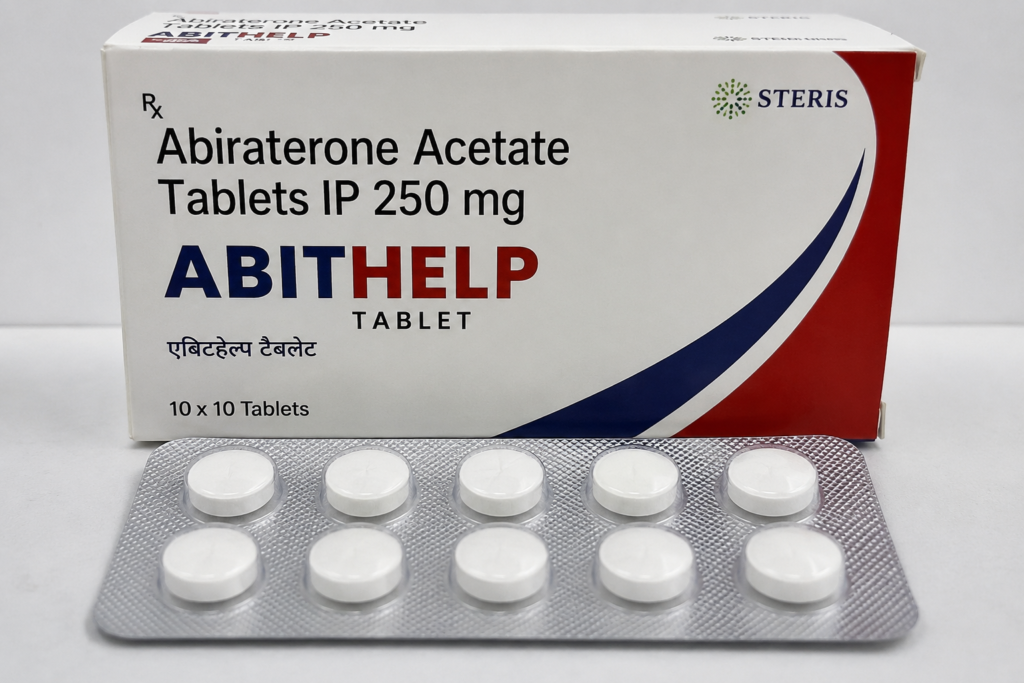
ABITHELP TABLET is a prescription medication intended to help manage certain health conditions as determined by qualified healthcare providers. Since medicines may vary in strength, formulation, and manufacturer depending on the country, patients should always read the package insert and consult their doctor or pharmacist for product-specific information.
Prescription medicines undergo testing before becoming available for public use. Their effectiveness and safety depend on taking them exactly as instructed. Changing the dosage without medical guidance or stopping treatment too early can reduce effectiveness and may even worsen the underlying condition.
Healthcare providers consider several factors before prescribing any medication. These include the patient’s symptoms, medical history, laboratory reports, kidney and liver function, and any ongoing treatments. This personalized approach helps maximize benefits while minimizing the risk of unwanted side effects.
Common Uses of ABITHELP TABLET
The exact use of ABITHELP TABLET depends on the formulation and the medical condition it is prescribed for. Doctors recommend medications only after evaluating whether they are appropriate for a particular patient. This helps ensure the treatment is both effective and safe.
Many prescription medicines are intended to relieve symptoms, improve quality of life, or manage chronic health conditions over a longer period. Some medications are used for short-term treatment, while others may require several weeks or months of regular use to produce noticeable results.
Patients should avoid self-diagnosing or using someone else’s prescription. Even if two individuals appear to have similar symptoms, the underlying cause may be entirely different. A proper medical evaluation remains the safest way to determine whether ABITHELP TABLET is suitable for your situation.
How Does ABITHELP TABLET Work?
Every medicine works through a specific mechanism inside the body. Depending on its active ingredients, ABITHELP TABLET may help regulate certain biological processes, reduce symptoms, or support the treatment of an underlying medical condition.
After swallowing the tablet, the body absorbs the medication through the digestive system. It then enters the bloodstream and reaches the target tissues where it begins performing its intended function. The time required to notice improvements varies depending on the condition being treated, the patient’s metabolism, and adherence to the prescribed dosage schedule.
It is important to remember that medicines often work best when combined with healthy lifestyle habits. A balanced diet, adequate hydration, regular physical activity where appropriate, sufficient sleep, and following medical advice can all contribute to better treatment outcomes.
Benefits of ABITHELP TABLET
One of the primary benefits of ABITHELP TABLET is its ability to support treatment when prescribed appropriately by a healthcare professional. When used correctly, medications can help patients experience symptom relief and improve their daily functioning.
Another important benefit is consistency. Taking the medicine at the same time every day, as instructed, helps maintain stable levels of the medication in the body. This often leads to better therapeutic results and may reduce the likelihood of treatment failure.
Many patients also appreciate the convenience of tablet formulations. Tablets are generally easy to carry, simple to store, and straightforward to take with water. Following the prescribed schedule consistently can help maximize the medication’s effectiveness.
Recommended Dosage
The correct dosage of ABITHELP TABLET depends entirely on your doctor’s prescription. Factors such as age, body weight, diagnosis, overall health, kidney function, liver function, and other medications all influence the appropriate dose.
Patients should never increase or decrease the dosage on their own. Taking more than recommended does not necessarily improve results and may increase the risk of side effects. Similarly, taking less than prescribed may reduce the medicine’s effectiveness.
If you accidentally miss a dose, follow your healthcare provider’s instructions or the directions provided with the medication. In most situations, patients should not double the next dose unless specifically advised by a healthcare professional.
Possible Side Effects
Like all medications, ABITHELP TABLET may cause side effects in some individuals, although many people experience none at all. The likelihood and severity of side effects vary from person to person.
Some patients may experience mild symptoms such as stomach discomfort, nausea, headache, dizziness, or fatigue. These effects are often temporary and may improve as the body adjusts to the medication. However, persistent or worsening symptoms should always be discussed with a healthcare provider.
Rarely, medications can trigger allergic reactions or more serious complications. Symptoms such as difficulty breathing, swelling of the face or throat, severe rash, or intense dizziness require immediate medical attention. Prompt treatment is essential whenever severe reactions occur.
Precautions Before Taking ABITHELP TABLET
Before starting ABITHELP TABLET, inform your doctor about all existing medical conditions, including heart disease, diabetes, liver disorders, kidney disease, allergies, and any previous reactions to medications. This information helps determine whether the medicine is appropriate for you.
Pregnant and breastfeeding women should only use this medication if specifically recommended by a qualified healthcare professional. The benefits and potential risks should always be carefully evaluated before treatment begins.
Patients should also provide a complete list of all prescription medicines, over-the-counter drugs, herbal supplements, vitamins, and dietary products they are taking. Drug interactions can affect how medications work and may increase the risk of side effects.
Drug Interactions
Drug interactions occur when one medication changes the effectiveness or safety of another. This is one of the main reasons why healthcare providers ask for a complete medication history before prescribing treatment.
Interactions may involve prescription medicines, non-prescription medications, herbal remedies, dietary supplements, or even certain foods and beverages. Depending on the specific medication, adjustments to dosage or timing may be necessary.
Never start or stop another medicine while taking ABITHELP TABLET without consulting your healthcare provider. Even commonly used pain relievers or cold medications can sometimes interact with prescription drugs.
Who Should Avoid ABITHELP TABLET?
Not every medication is suitable for every individual. Patients with known allergies to any ingredient in ABITHELP TABLET should avoid using it unless directed otherwise by a specialist after careful evaluation.
Individuals with certain medical conditions may require alternative treatments or closer monitoring while using this medication. Doctors may recommend regular blood tests or follow-up appointments to ensure treatment remains safe and effective.
Children, elderly patients, pregnant women, and individuals with severe liver or kidney disease often require special consideration when prescription medications are prescribed. Medical supervision helps reduce potential risks in these situations.
Storage Instructions
Proper storage plays an important role in maintaining the effectiveness of medications. ABITHELP TABLET should generally be stored in a cool, dry place away from excessive heat, moisture, and direct sunlight unless otherwise specified on the packaging.
Keep the medication in its original container to protect it from environmental exposure. Avoid transferring tablets into unmarked containers that may increase the risk of accidental misuse or confusion.
Always store medicines out of the reach of children and pets. Expired medications should be disposed of safely according to local pharmacy or healthcare guidelines rather than being kept indefinitely.
Tips for Safe and Effective Use
Following your doctor’s instructions is the most important step in achieving the best treatment outcome. Take the medication exactly as prescribed and maintain regular follow-up appointments if recommended.
Developing a daily routine can make it easier to remember each dose. Some patients use smartphone reminders, pill organizers, or medication schedules to improve consistency and reduce missed doses.
Do not share prescription medications with family members or friends, even if they have similar symptoms. Every prescription is based on an individual’s specific medical condition, and inappropriate use may cause harm.
Frequently Asked Questions About ABITHELP TABLET
Can I stop taking ABITHELP TABLET once I feel better?
No. Many medications should be continued for the full prescribed duration even if symptoms improve early. Stopping treatment without medical advice may reduce effectiveness or cause symptoms to return.
Healthcare providers determine the appropriate treatment length based on your condition and response to therapy. Always consult your doctor before discontinuing any prescription medication.
Following the complete treatment plan helps achieve the best possible results while minimizing the risk of relapse or incomplete recovery.
Can I take ABITHELP TABLET with food?
Whether the medicine should be taken with or without food depends on the specific prescribing instructions. Some medications are better absorbed with meals, while others work best on an empty stomach.
Always follow the directions provided by your doctor or pharmacist. If you are uncertain, ask a healthcare professional before making changes to your routine.
Taking medications correctly helps maximize their effectiveness and reduce the likelihood of stomach irritation.
What should I do if I miss a dose?
If you miss a dose, follow your doctor’s instructions or the guidance included with the medication. In many cases, you should take the missed dose as soon as you remember unless it is almost time for the next scheduled dose.
Avoid taking two doses together unless specifically instructed by your healthcare provider. Double dosing may increase the risk of side effects without providing additional benefits.
If you frequently forget doses, consider using reminders or medication organizers to improve adherence.
Final Thoughts
ABITHELP TABLET can be an important part of a doctor’s treatment plan when used appropriately and under professional supervision. Like all prescription medications, its safety and effectiveness depend on correct usage, adherence to dosage instructions, awareness of possible side effects, and regular communication with healthcare providers.
Patients should avoid self-medication and should never rely solely on online information when making healthcare decisions. Medical advice tailored to your personal health history remains the most reliable source of guidance. If you have questions about ABITHELP TABLET, discuss them with your doctor or pharmacist before starting or changing treatment.
Ultimately, informed patients are better equipped to manage their health responsibly. By understanding how ABITHELP TABLET should be used, following professional recommendations, and reporting any unusual symptoms promptly, you can help ensure the safest and most effective treatment experience possible.