

Introduction
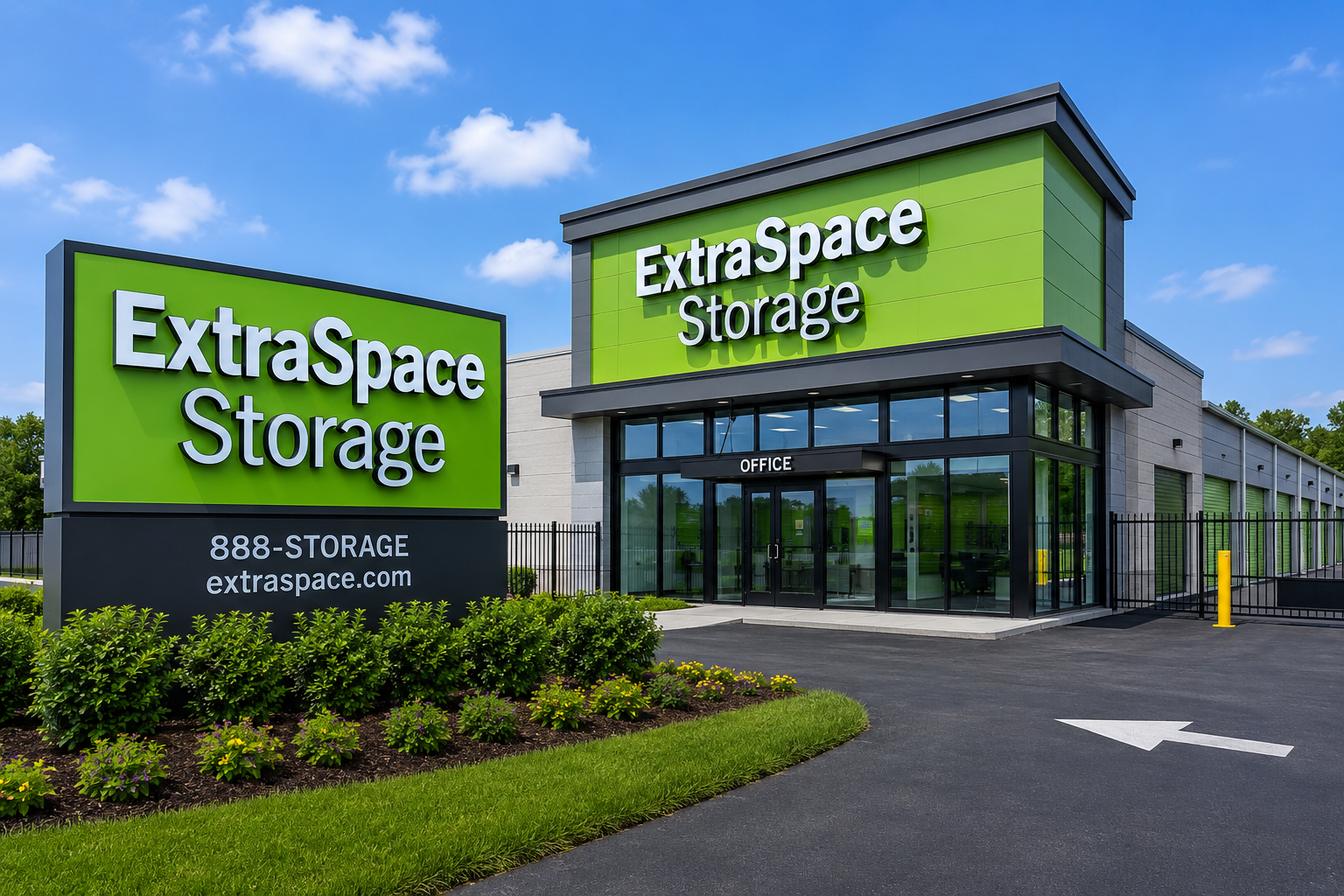
Extra Space Storage Finding enough room for your belongings can be challenging, whether you’re moving to a new home, renovating your property, running a growing business, or simply trying to reduce clutter. Many people eventually reach a point where closets, garages, and spare rooms are no longer enough. This is where extra space storage becomes a practical and affordable solution. Instead of getting rid of valuable possessions, you can safely store them in a secure facility while keeping your home or office organized.
The popularity of extra space storage has grown significantly over the past few years. People are living in smaller apartments, businesses are managing more inventory, and families often need temporary storage during major life changes. A well-maintained storage unit provides peace of mind by offering a secure place for belongings that are not needed every day. From furniture and electronics to important documents and seasonal decorations, almost anything can be stored properly with the right preparation.
This guide explains everything you need to know about extra space storage. Whether you’re renting a storage unit for the first time or looking for ways to maximize your current storage space, you’ll find practical advice that helps you make informed decisions while protecting your belongings.
What Is Extra Space Storage?

Extra space storage refers to renting a secure storage unit where individuals and businesses can keep belongings that don’t fit comfortably in their homes or workplaces. These facilities offer units in various sizes, allowing customers to choose one that matches their specific needs. Instead of overcrowding living areas, people can move unused or seasonal items into storage while still having access whenever necessary.
Modern storage facilities are designed with convenience and security in mind. Many locations provide gated access, surveillance cameras, individual unit locks, bright lighting, and on-site management. Some even offer climate-controlled units that maintain consistent temperatures and humidity levels, making them ideal for sensitive belongings such as electronics, artwork, wooden furniture, photographs, and important paperwork.
Extra space storage is no longer just a place to keep old furniture. Today, homeowners, students, military personnel, travelers, collectors, and businesses all use storage units for different purposes. Whether someone needs temporary storage during a move or long-term storage for valuable possessions, these facilities provide flexible rental options that adapt to changing needs.
Why People Need Extra Space Storage
One of the biggest reasons people rent storage units is moving. Relocating doesn’t always happen in a single day, and there may be a gap between moving out of one property and into another. A storage unit provides a safe place for furniture, appliances, and personal belongings during this transition, reducing stress and giving families more flexibility.
Home renovations are another common reason for using extra space storage. Construction projects can create dust, debris, and limited living space. Moving furniture, decorations, and valuable items into storage protects them from accidental damage while giving contractors more room to work efficiently. Once renovations are complete, everything can be moved back into the home in excellent condition.
Businesses also benefit from storage units. Small companies often lack sufficient office or warehouse space for excess inventory, marketing materials, office furniture, archived files, or seasonal products. Renting extra storage is often much more affordable than leasing a larger commercial building, making it an excellent option for startups and growing businesses.
Different Types of Storage Units
Choosing the right type of storage unit depends on what you plan to store. Standard storage units are suitable for everyday household items such as boxes, furniture, bicycles, and seasonal decorations. They are generally the most affordable option and work well for items that are not sensitive to temperature changes.
Climate-controlled storage units maintain stable temperatures and humidity levels throughout the year. These units help prevent damage caused by excessive heat, cold, or moisture. Wooden furniture is less likely to warp, electronics remain protected from condensation, and important documents stay in better condition over time. Although climate-controlled units typically cost more than standard units, they offer valuable protection for expensive or delicate belongings.
Drive-up storage units provide easy vehicle access directly to the unit’s entrance. This design allows customers to load and unload heavy furniture, appliances, or numerous boxes without carrying them through hallways or elevators. Businesses that frequently access inventory often prefer drive-up units because they save both time and effort.
How to Choose the Right Storage Unit Size
Selecting the correct storage unit size can save both money and frustration. Renting a unit that is too small may result in overcrowding, making it difficult to find specific items or access belongings safely. On the other hand, choosing a unit that is much larger than necessary means paying for unused space every month.
Before renting a unit, make a complete inventory of everything you plan to store. Group similar items together and estimate how many boxes, furniture pieces, and large appliances will be included. Measuring oversized furniture beforehand can help determine whether everything will fit comfortably within the selected unit. Many storage providers also offer online size guides that compare units to common household spaces like closets, bedrooms, or garages.
It’s also important to think about future storage needs. If you expect to add more belongings over the coming months, choosing a slightly larger unit can prevent the inconvenience of moving everything into a bigger space later. Planning ahead often saves both time and additional moving costs.
Features to Look for in an Extra Space Storage Facility
Not every storage facility offers the same level of quality, so it’s worth comparing features before signing a rental agreement. Security should always be a top priority. Facilities equipped with surveillance cameras, electronic gate access, perimeter fencing, individual unit alarms, and on-site staff provide greater protection for valuable belongings.
Accessibility is another important factor. Some facilities offer 24-hour access, while others operate during specific business hours. Consider how often you’ll need to visit your unit and choose a location with convenient access that fits your schedule. Wide driveways, loading carts, elevators, and covered loading areas can also make moving belongings much easier.
Cleanliness and maintenance should never be overlooked. A well-maintained facility is less likely to have pest problems, water leaks, or structural issues. During a visit, inspect the property for cleanliness, lighting, drainage, and overall organization. Reading customer reviews can also provide valuable insight into the facility’s reputation and service quality.
Items You Can Store Safely
One of the greatest advantages of extra space storage is its versatility. Household furniture such as sofas, dining tables, chairs, mattresses, and bedroom sets can all be stored safely when properly prepared. Appliances, bicycles, sports equipment, camping gear, holiday decorations, and extra clothing are also commonly placed in storage units.
Students frequently use storage units between semesters to avoid transporting furniture and belongings back home. Families often store baby equipment, toys, and seasonal clothing until they’re needed again. Collectors may use climate-controlled units to protect antiques, comic books, artwork, musical instruments, or valuable memorabilia from environmental damage.
Businesses also rely on storage facilities for inventory management. Marketing materials, trade show displays, office furniture, archived documents, and surplus stock can all be stored securely without occupying valuable office space. This flexibility allows companies to remain organized while reducing operating costs.
Benefits of Renting Extra Space Storage
One of the greatest advantages of renting extra space storage is the ability to create a cleaner and more organized living environment. Clutter can quickly build up in homes, making rooms feel smaller and less functional. By moving infrequently used items into a storage unit, you can reclaim valuable space without having to sell or donate belongings that still have sentimental or practical value. A well-organized home often feels more comfortable and can even reduce everyday stress.
Extra space storage also offers unmatched flexibility. Whether you need storage for a few weeks during a move or several years while downsizing, most facilities provide rental terms that suit different situations. You can upgrade or downsize your storage unit as your needs change, making it a practical solution for both temporary and long-term storage requirements.
Security is another major benefit. Reputable storage facilities invest heavily in surveillance systems, controlled gate access, secure fencing, bright lighting, and on-site staff to protect customers’ belongings. Knowing that valuable possessions are stored in a monitored environment gives renters confidence and peace of mind that items are being kept safe.
Climate-Controlled vs. Standard Storage
When choosing a storage unit, one of the biggest decisions is whether to rent a standard unit or a climate-controlled one. Standard units are suitable for everyday household goods that are not easily affected by changing temperatures. Items such as plastic storage bins, garden tools, lawn equipment, outdoor furniture, and durable household goods are generally safe in these units.
Climate-controlled storage provides a more stable environment by regulating both temperature and humidity. This added protection is particularly valuable for delicate belongings that could warp, crack, fade, or develop mold when exposed to extreme weather conditions. Wooden furniture, leather products, musical instruments, electronics, artwork, photographs, and important paperwork all benefit from climate-controlled storage.
Although climate-controlled units typically cost a little more, they can save money in the long run by preventing expensive damage. If you’re storing valuable or irreplaceable possessions for several months or years, paying a little extra for climate control is often a smart investment rather than an unnecessary expense.
How to Pack Items for Storage Properly
Proper packing is one of the most important steps in protecting your belongings. Begin by using strong, high-quality moving boxes instead of old or damaged cartons that could collapse under pressure. Label every box clearly on multiple sides so you can quickly identify its contents without opening each one. Organizing boxes by room or category also makes unpacking much easier later.
Furniture should be cleaned thoroughly before being placed into storage. Dust, dirt, and moisture left on surfaces can cause stains or damage over time. Disassemble large furniture whenever possible to save space, and keep screws, bolts, and small hardware pieces in labeled plastic bags attached securely to the furniture. Cover sofas, mattresses, and wooden furniture with breathable furniture covers instead of plastic, which can trap moisture.
Fragile items deserve extra attention. Wrap glassware, dishes, mirrors, and decorative pieces individually with bubble wrap or packing paper. Fill empty spaces inside boxes with packing material to prevent movement during transportation. Heavy items should always be packed in smaller boxes to make lifting easier and reduce the risk of box failure.
Organizing Your Storage Unit Efficiently
Packing a storage unit carefully will save considerable time whenever you need to retrieve something. Start by placing large and heavy furniture against the walls to create a stable foundation. Stack lighter boxes on top of heavier ones, making sure nothing unstable can fall over. Leave a small walkway through the center of the unit so you can easily reach items stored in the back.
Store frequently used belongings near the entrance. Seasonal decorations, important documents, business inventory, or tools that you’ll need regularly should always remain easily accessible. Less frequently used items can be placed toward the rear of the storage unit to maximize available space.
Keeping a written inventory is another excellent organizational habit. Record every box and major item entering the unit, along with its approximate location. Some people even take photos before closing the unit. This simple step makes finding belongings much faster and prevents unnecessary searching months later.
Common Mistakes to Avoid
Many renters underestimate how much preparation is required before placing items into storage. One common mistake is storing belongings while they are still dirty. Clothing, furniture, and appliances should always be cleaned and completely dry before storage because dirt and moisture can encourage mold, mildew, and unpleasant odors over time.
Another frequent mistake is overfilling boxes. Extremely heavy boxes are difficult to lift and may collapse under their own weight. Packing boxes evenly and using the correct box size for each type of item helps protect belongings while making transportation much safer.
People also sometimes forget to insure valuable possessions. While storage facilities provide secure environments, insurance offers additional financial protection against unexpected situations. Checking your homeowner’s or renter’s insurance policy to see whether stored belongings are covered is always a wise decision before moving valuable items into storage.
Factors That Affect Storage Costs
The price of extra space storage depends on several different factors. Unit size is usually the biggest influence. Larger units naturally cost more because they provide additional storage capacity. Choosing the right size prevents paying for space that isn’t needed while ensuring everything fits comfortably.
Location also affects pricing. Storage facilities in busy cities or high-demand areas generally charge higher rental rates than facilities located in suburban or rural regions. Comparing several nearby facilities allows you to balance convenience with affordability.
Additional features such as climate control, 24-hour access, advanced security systems, indoor units, and premium locations within a facility may increase monthly costs. While these features come at an extra price, they often provide greater convenience and protection that justify the additional expense depending on what you’re storing.
Frequently Asked Questions
Is extra space storage safe?
Yes. Most professional storage facilities use multiple security measures, including surveillance cameras, electronic gate access, secure fencing, individual locks, and on-site management. Choosing a reputable facility significantly improves the safety of your belongings.
How long can I rent a storage unit?
Most facilities offer flexible rental agreements. You can usually rent a unit for as little as one month or continue renting for several years, depending on your personal or business needs.
Can furniture stay in storage for years?
Absolutely. Furniture can remain in storage for extended periods if it is cleaned properly, covered with breathable materials, and stored in suitable conditions. Climate-controlled units offer additional protection for wooden and upholstered furniture.
Do I need climate-controlled storage?
Climate-controlled storage is recommended for electronics, antiques, artwork, photographs, musical instruments, important documents, leather goods, and wooden furniture. For basic household items that are less sensitive to temperature changes, a standard storage unit is often sufficient.
Can businesses benefit from extra space storage?
Yes. Businesses frequently use storage units for inventory, office furniture, archived files, promotional materials, seasonal merchandise, and equipment. Storage units help reduce overhead costs while keeping workspaces organized.
Conclusion
Extra space storage has become an essential solution for homeowners, renters, students, travelers, and businesses looking for secure and flexible storage options. Whether you’re preparing for a move, renovating your home, expanding your business, or simply creating a more organized living space, renting a storage unit provides a practical way to protect your belongings without overcrowding your property.
Choosing the right storage facility requires careful consideration of security, accessibility, cleanliness, pricing, and storage unit size. Taking time to pack belongings properly, organize the storage unit efficiently, and select the appropriate type of storage can significantly improve your overall experience while protecting valuable possessions for months or even years.
As storage needs continue to grow, extra space storage remains one of the most convenient and cost-effective solutions available. With proper planning and the right facility, you can enjoy a clutter-free home or workplace while knowing your belongings are stored safely and ready whenever you need them.